
Quick Links

Quick Links Open/Close

Babington Academy

  • Search Site
  • Translate Page
  • Twitter Twitter
  • Instagram Instagram
  • Facebook Facebook
  • LinkedIn LinkedIn
Learning without Limits Academy Trust

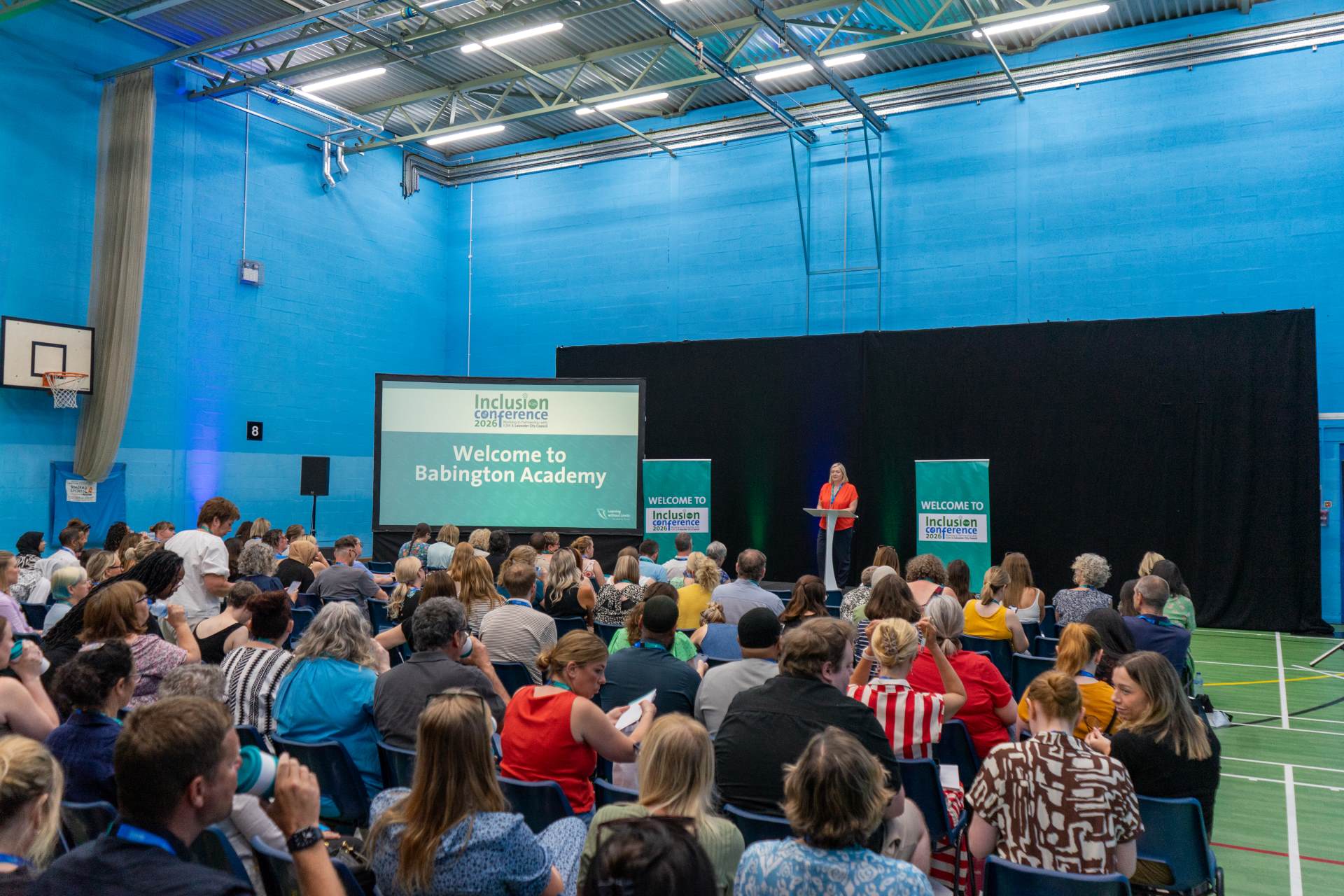
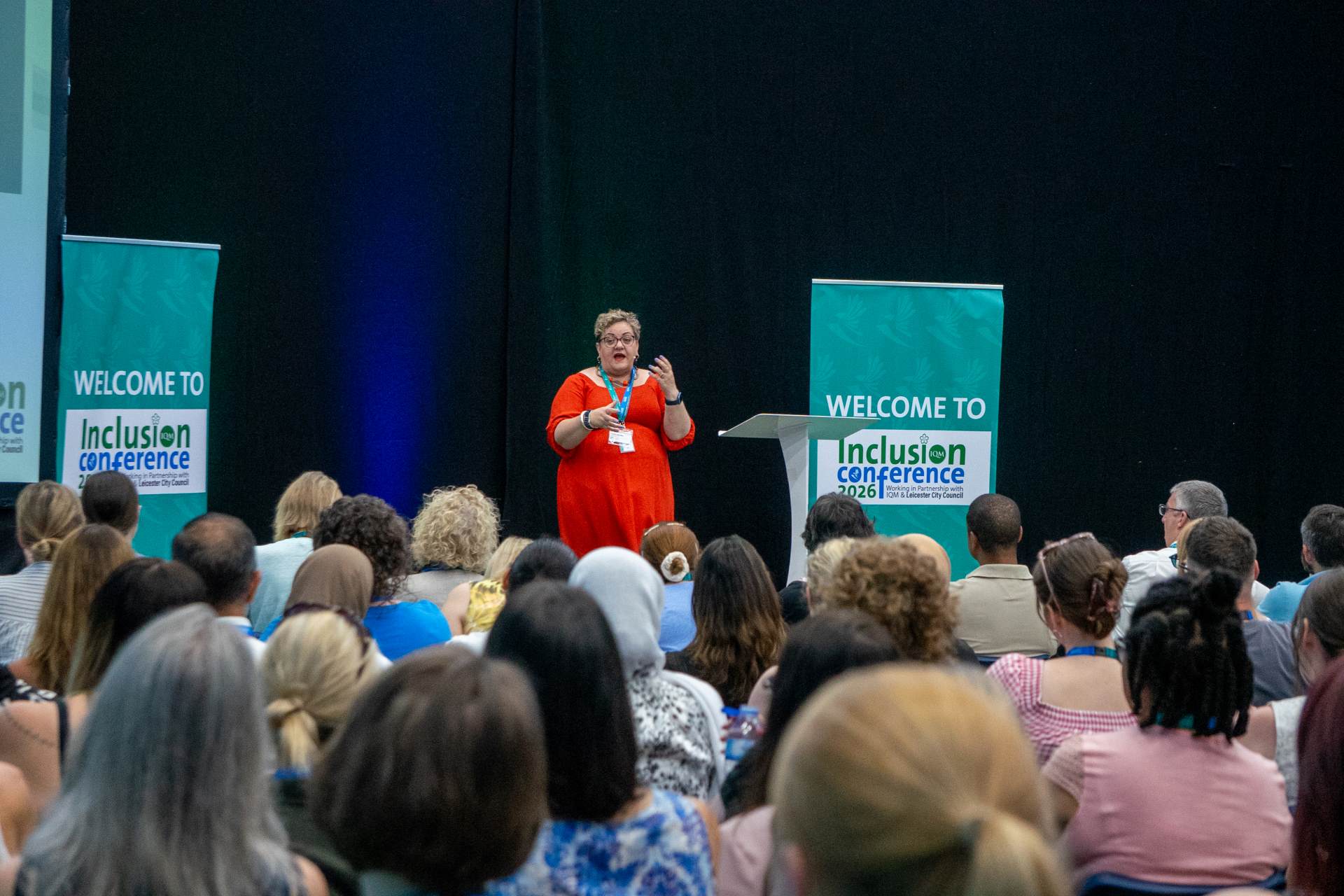
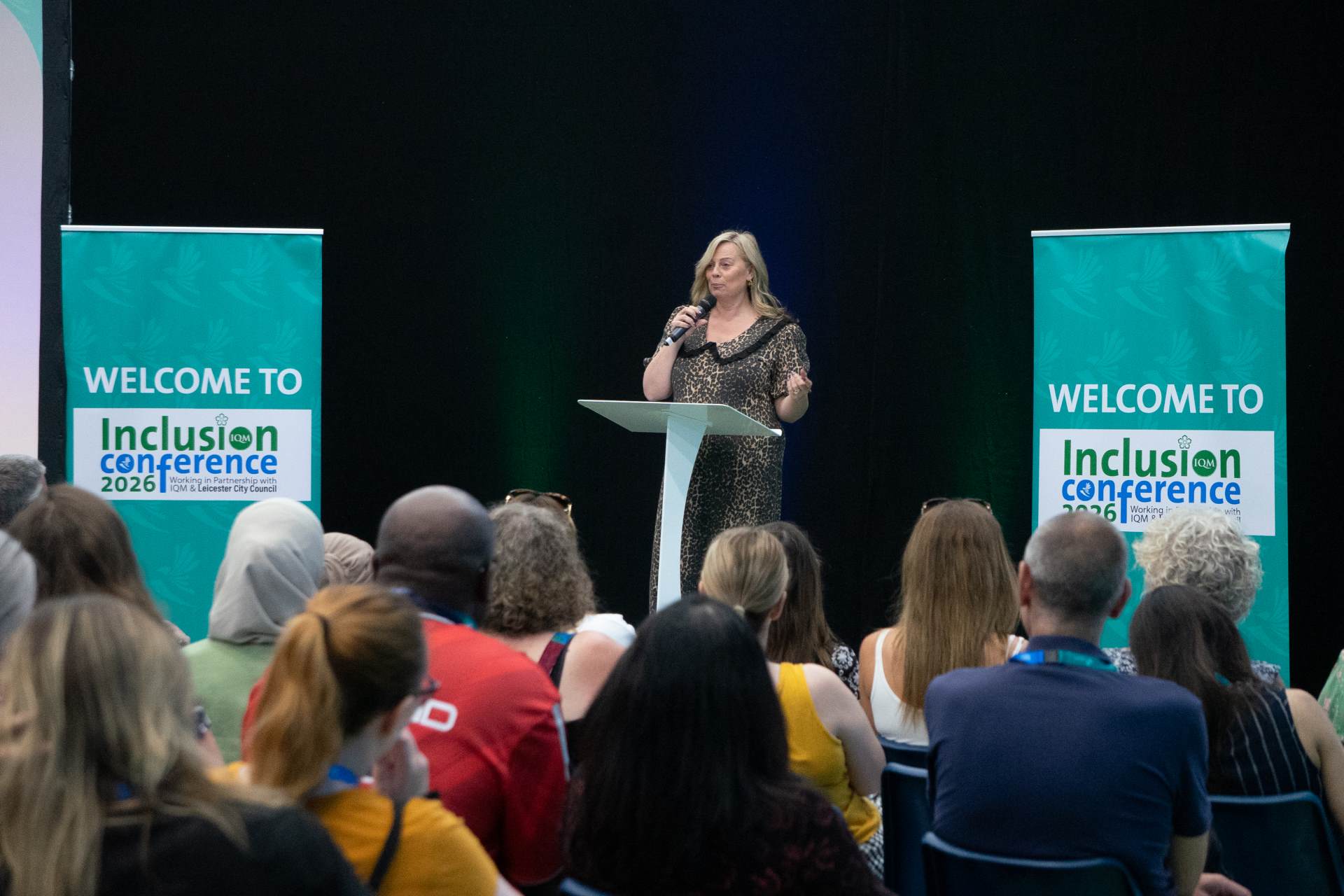
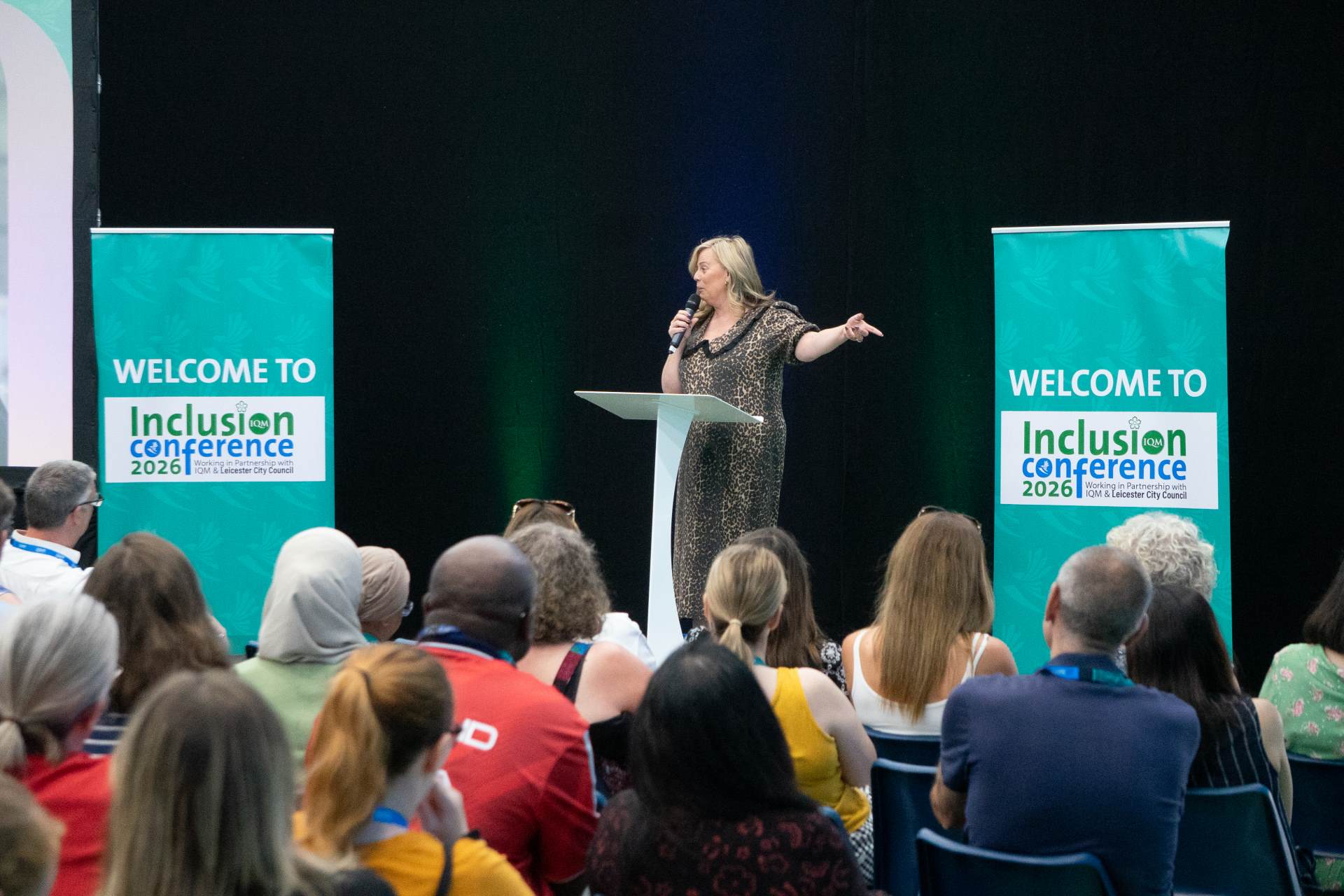
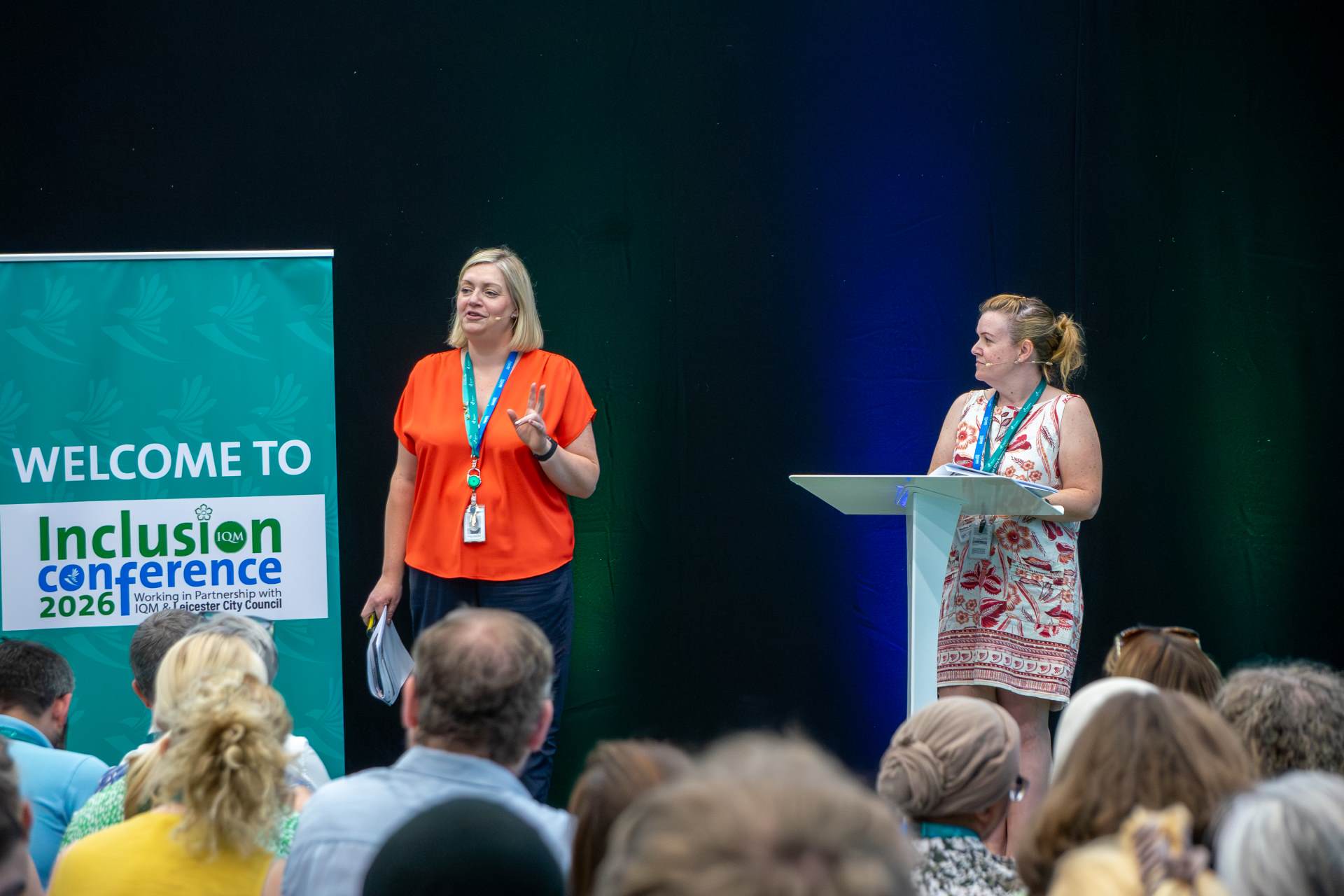
Inclusion Conference 2026 

Introduction

This year Babington Academy are proud to be IQM National Inclusion Champions. 
This accreditation is awarded to schools as “a recognition to celebrate the most exceptional IQM schools whose dedication to inclusive practice has made a measurable difference to student achievement, belonging, and school culture.” (IQM)  

As Babington Academy is an IQM National Inclusion Champion school, it is a priority for us to influence practice beyond our own setting. Following the release of the White Paper, inclusion should be at the forefront of all educational thinking. Therefore, being able to work with all Leicester City SENCOs was too good an opportunity to miss! By joining forces with the local education authority and IQM, we hope this Inclusion Conference gives you space to reflect, collaborate and build confidence in the next steps of your inclusion journey.

 REGISTER HERE 


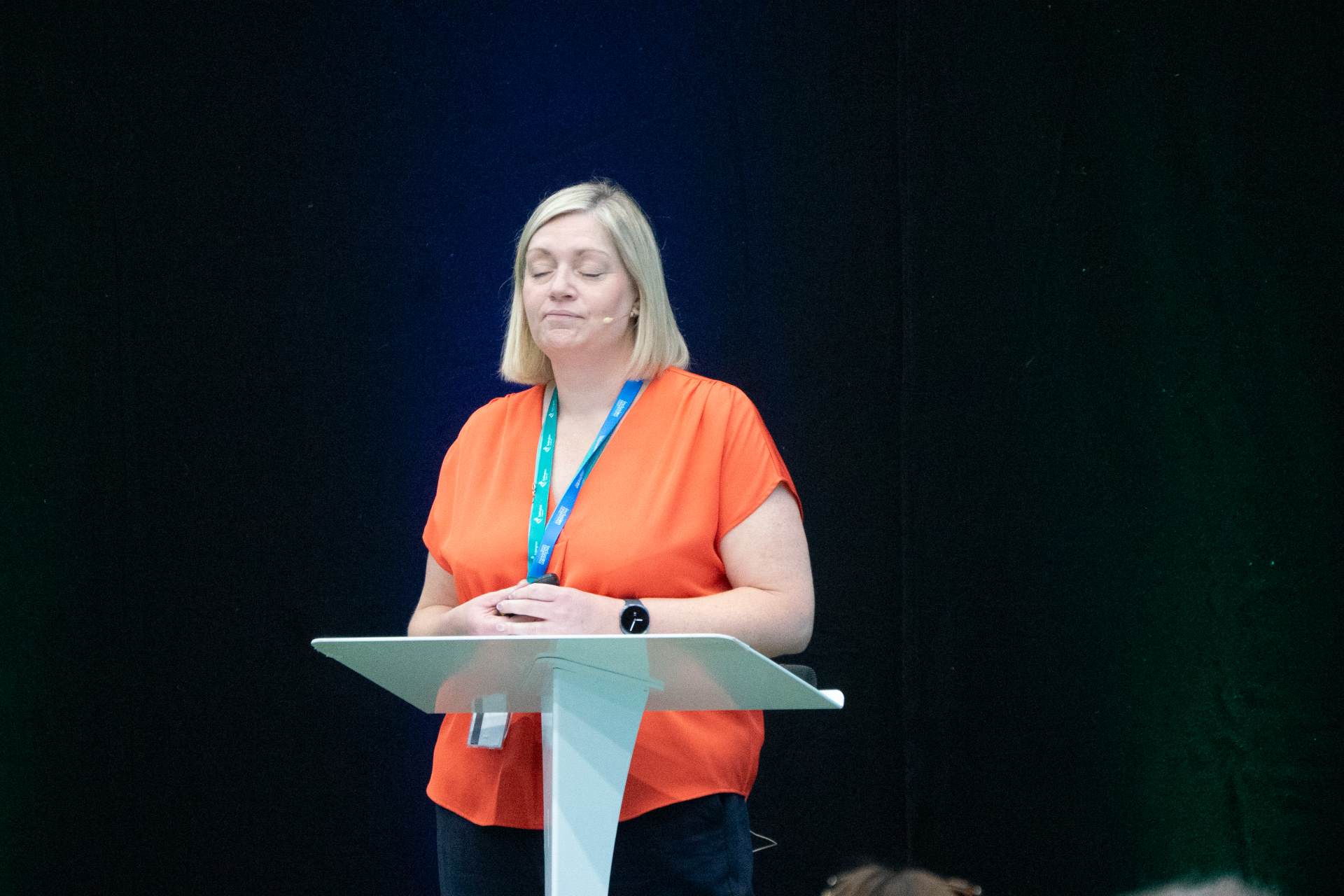
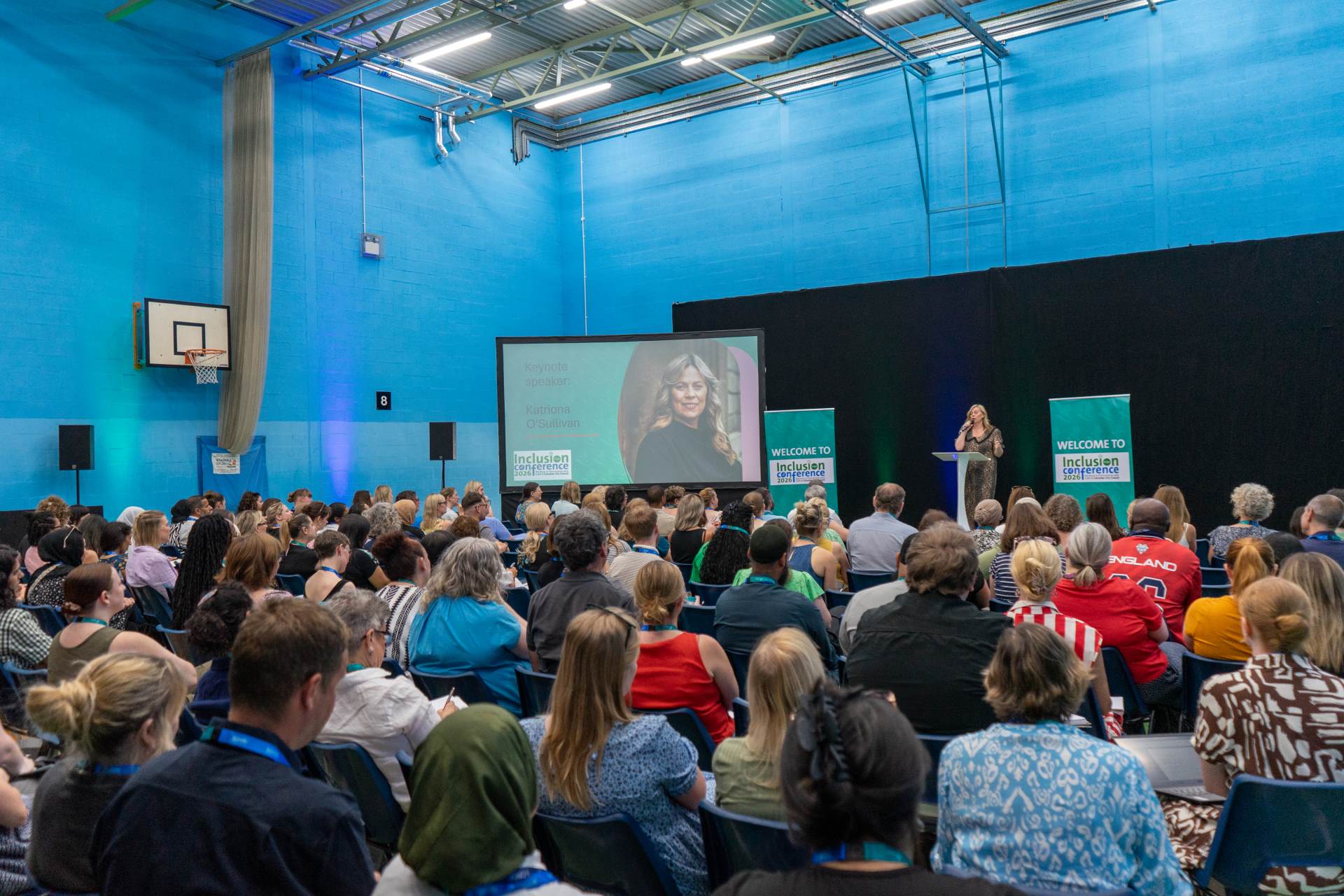
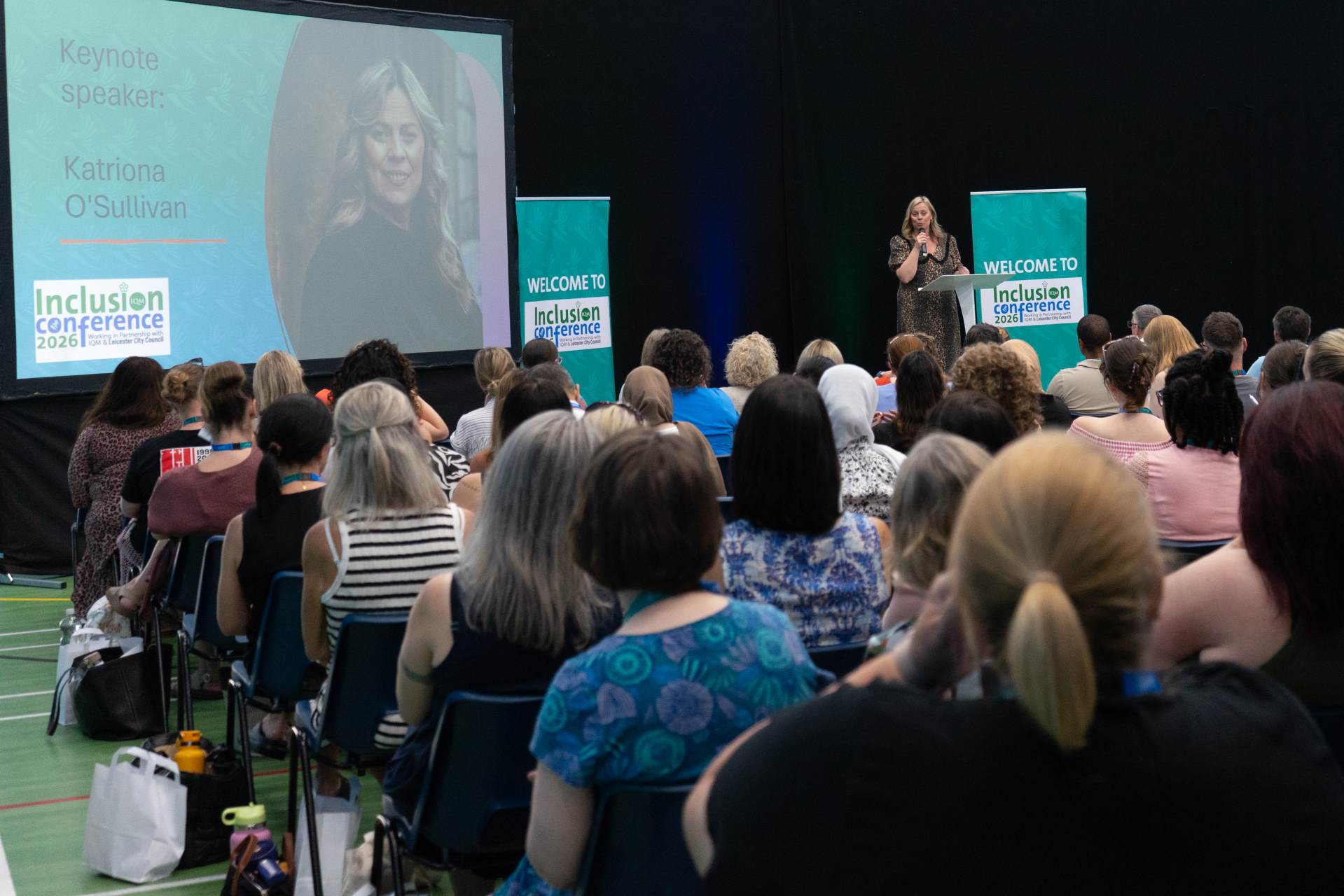
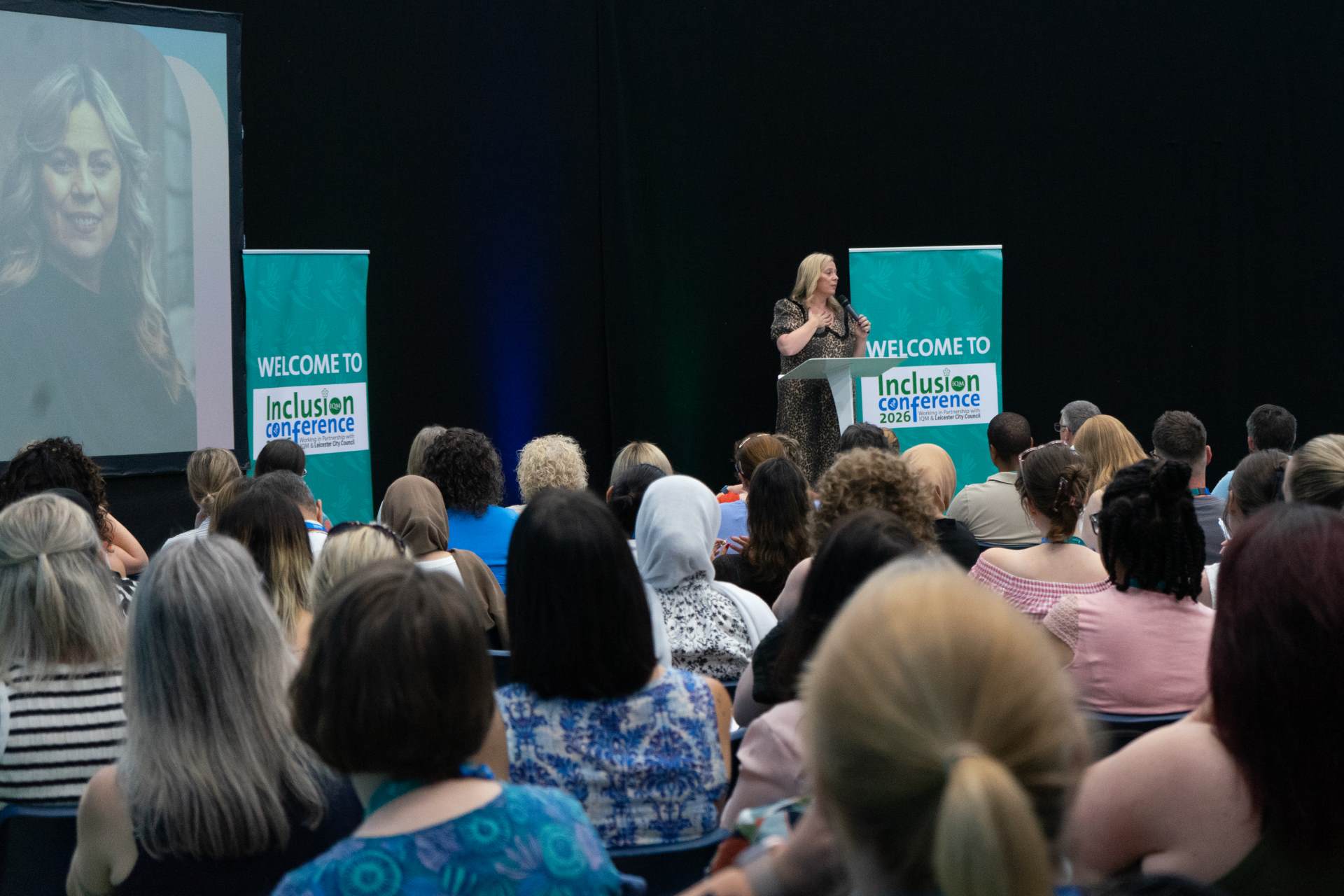
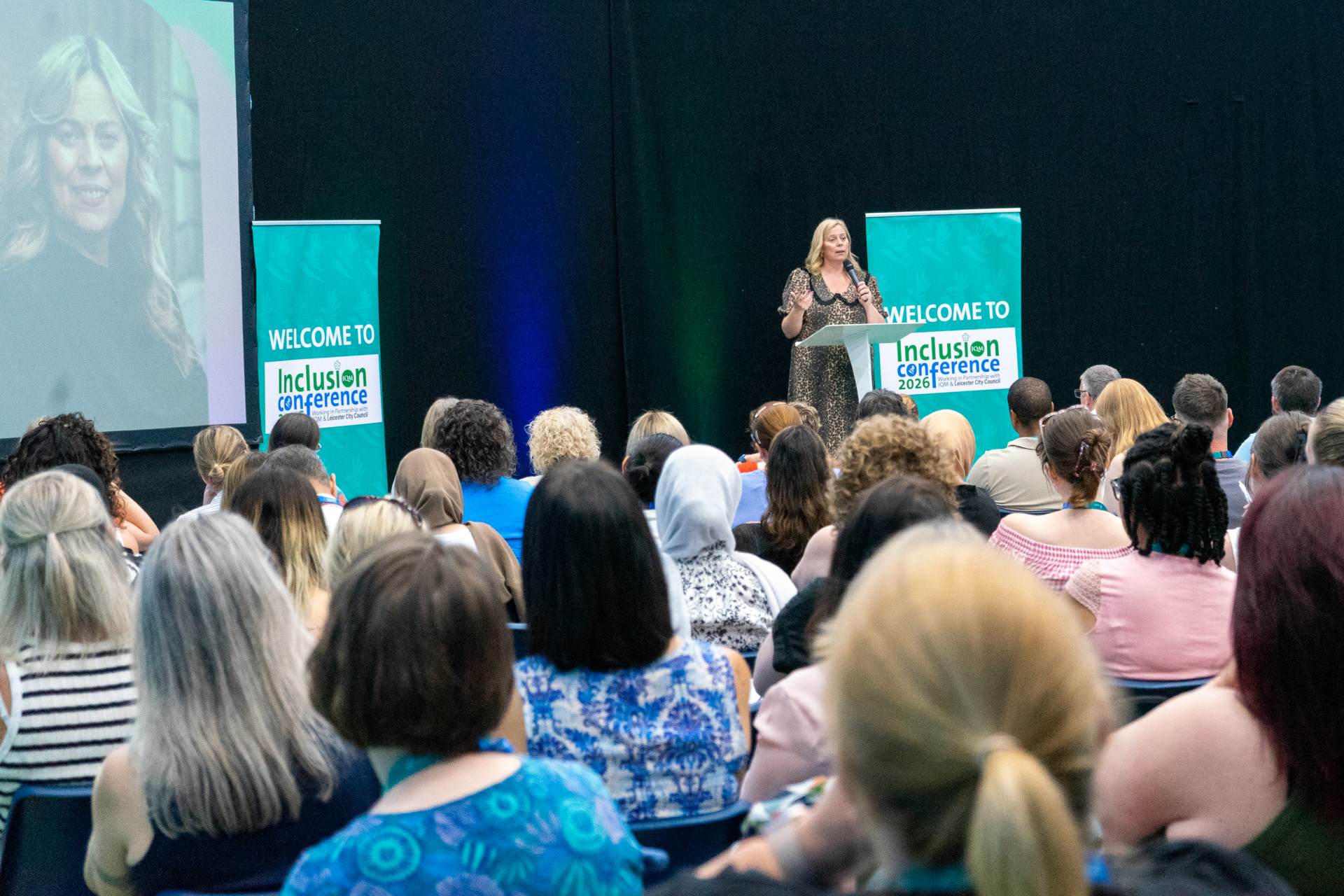
Keynote Speaker
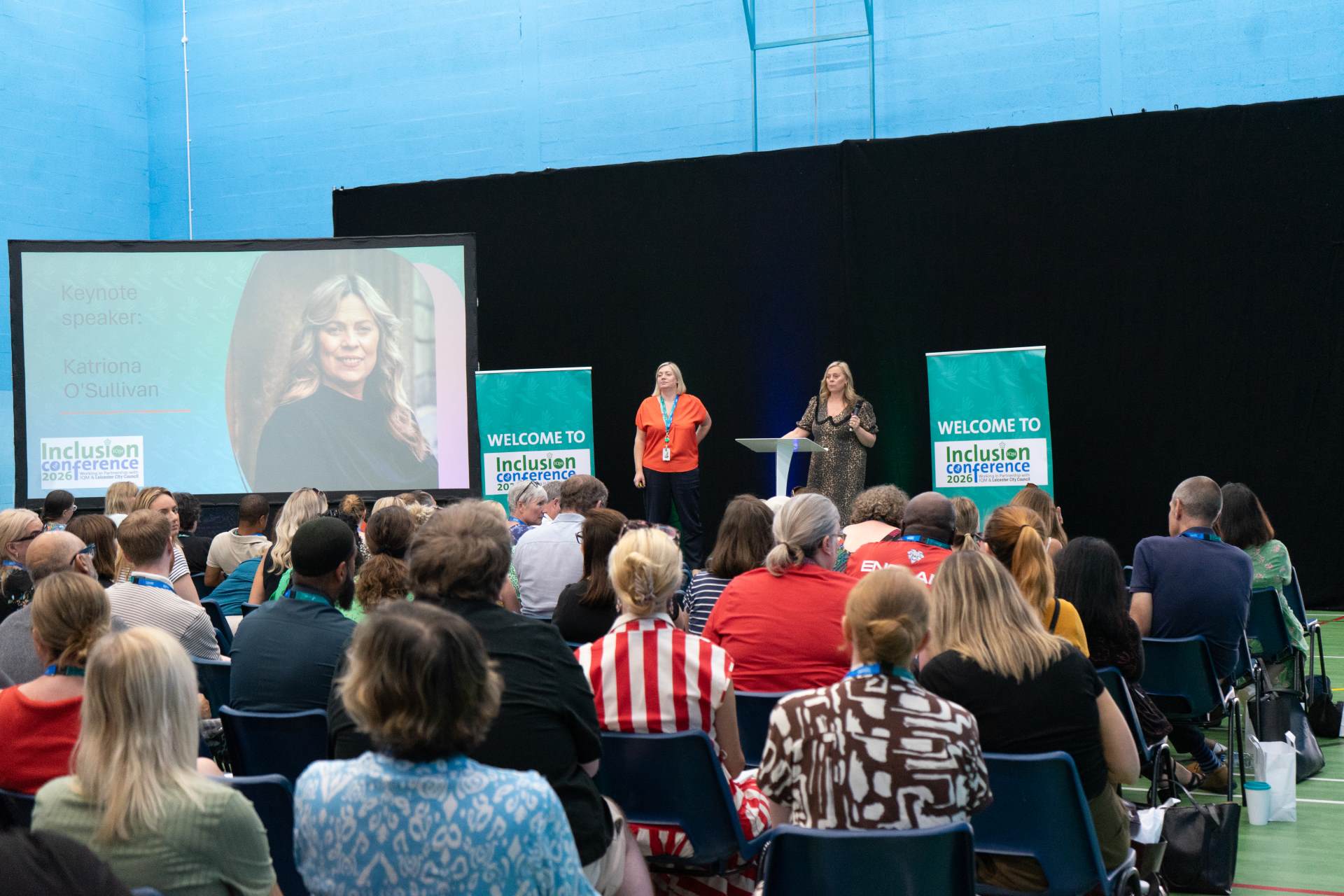
Katriona O Sullivan

Psychologist, memoirist and best - selling author
Professor Katriona O’Sullivan is a psychologist and memoirist. Her first book, Poor, debuted at #1 on the Irish Non-Fiction bestseller list. The book, a memoir of growing up in extreme poverty, describes the far-reaching impact of childhood poverty. As one of 5 children in a home shaped by her parents’ heroin addiction, Katriona’s story chronicles her journey from poverty, teenage pregnancy, homelessness to graduating with a PhD from Trinity College Dublin and becoming an award-winning lecturer whose work challenges barriers to education. Poor is her stirring argument for the importance of looking out for our kids’ futures. Of giving them hope, practical support and meaningful opportunities.

Home - Katriona O’Sullivan | Speaker & Author


Schedule for the Day

8.30 am
Arrival

Registration and refreshments.

9.00am
Welcome remarks

Fiona Laywood, Kenny Frederick and Sophie Maltby.


9.30am
Keynote speech

Katriona O’Sullivan, psychologist, university lecturer and award-winning writer of Poor.

10.30am
Break

Refreshments and networking.

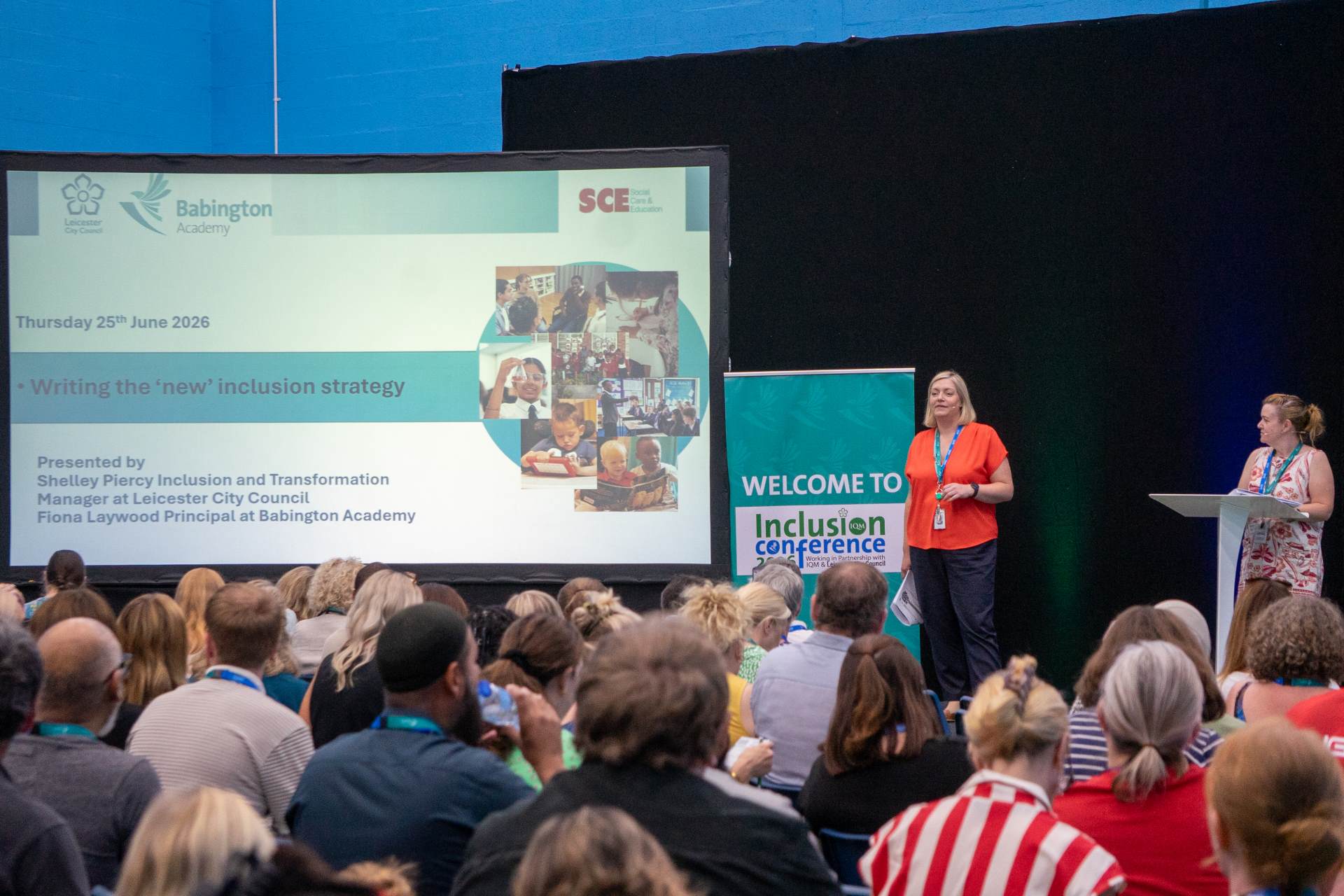
10.50am - Writing the ‘new’ Inclusion Strategy

Shelley Piercy and Fiona Laywood. What is it's purpose?
What should the new Inclusion Strategies include, report on and achieve?

11.50am
Comfort break

Move to the school site.

12.00pm
Lunch, exhibition and stalls

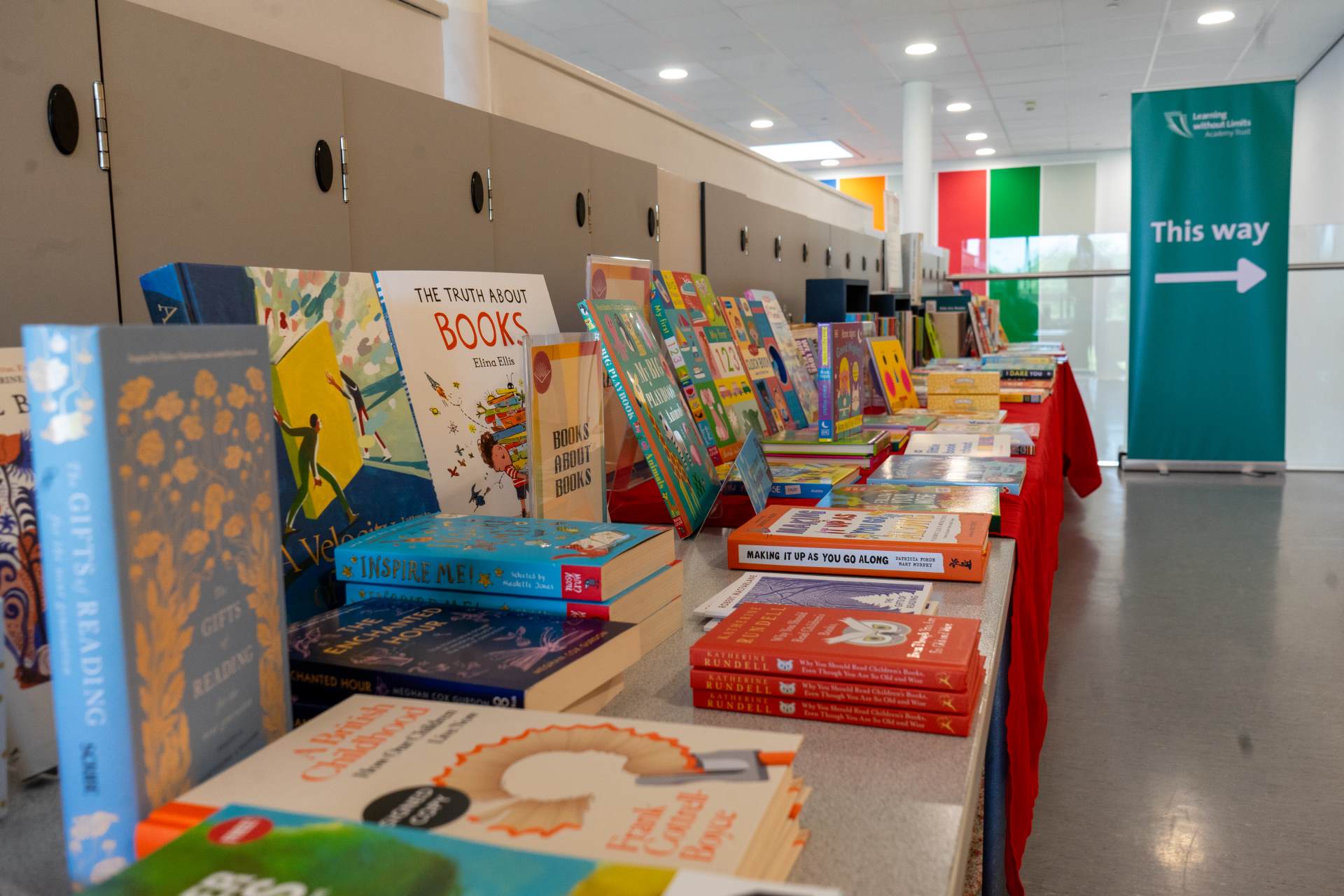
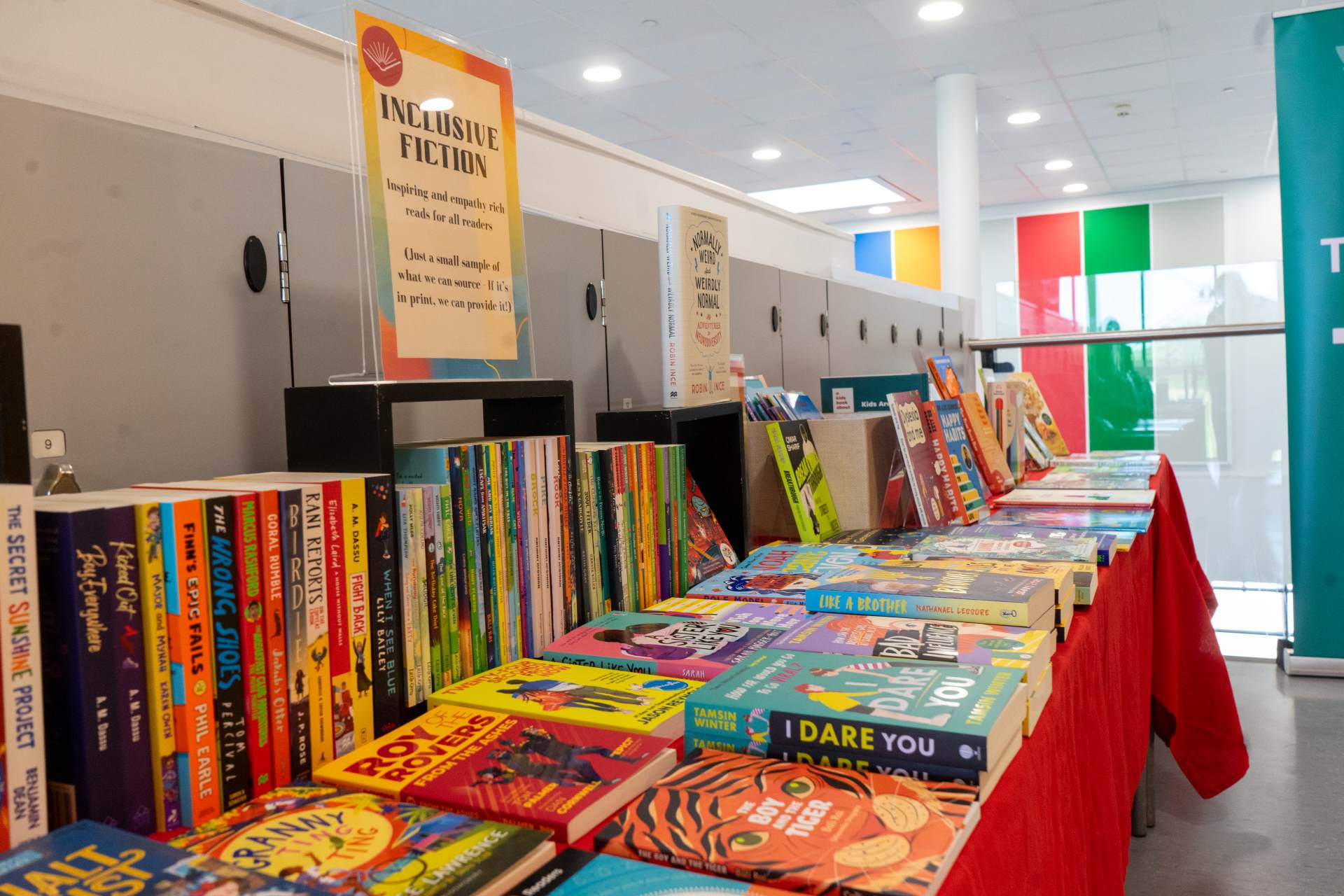
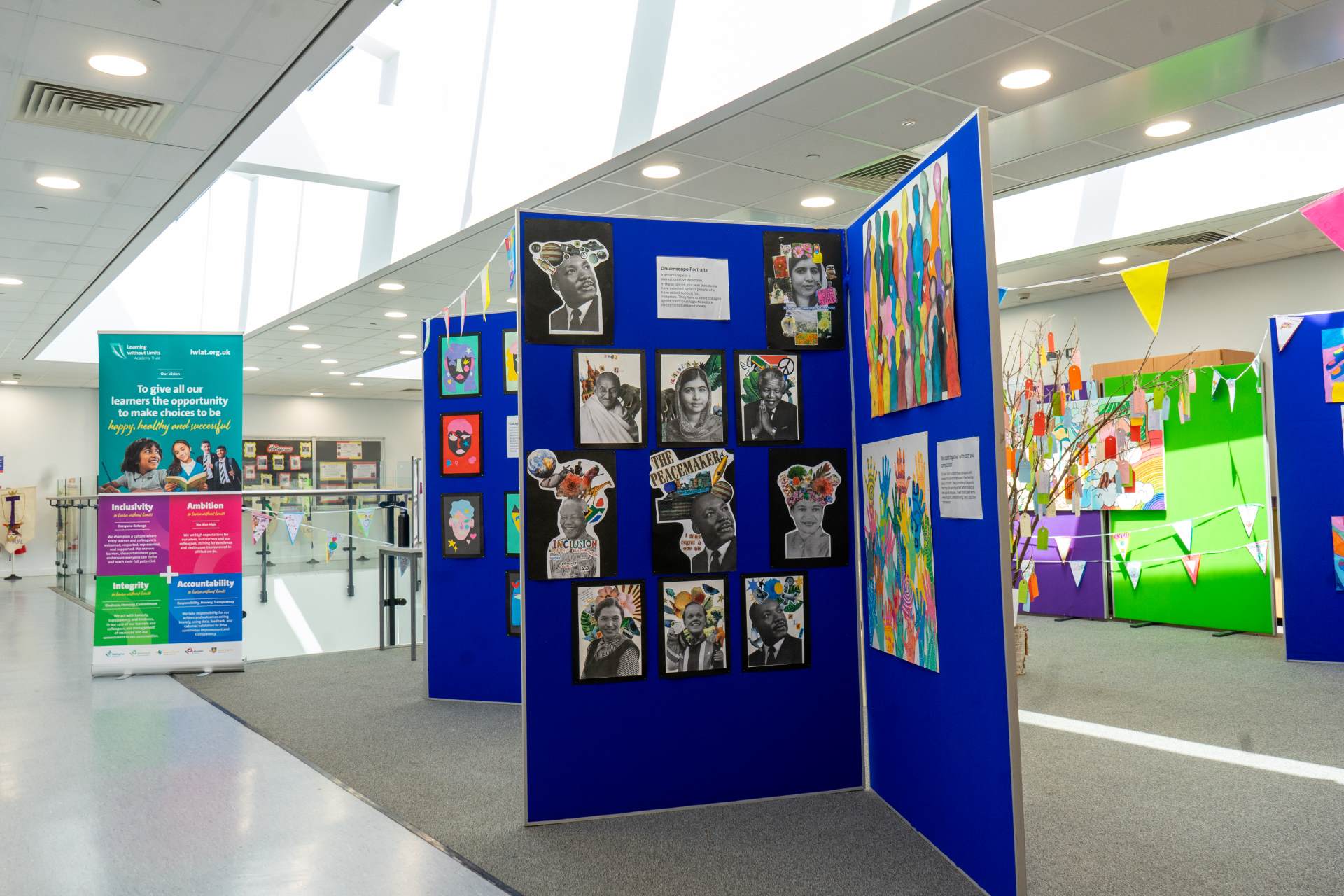
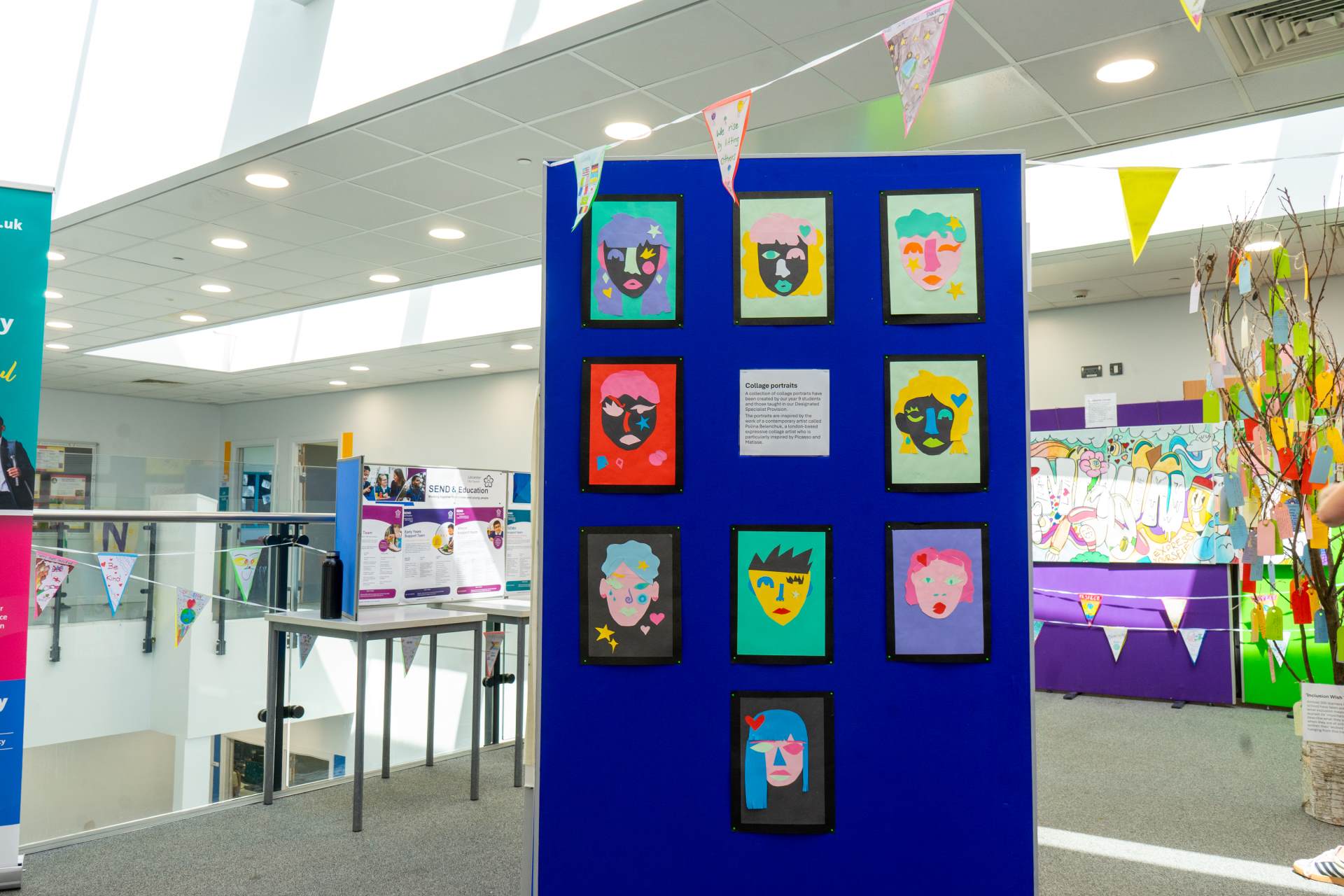
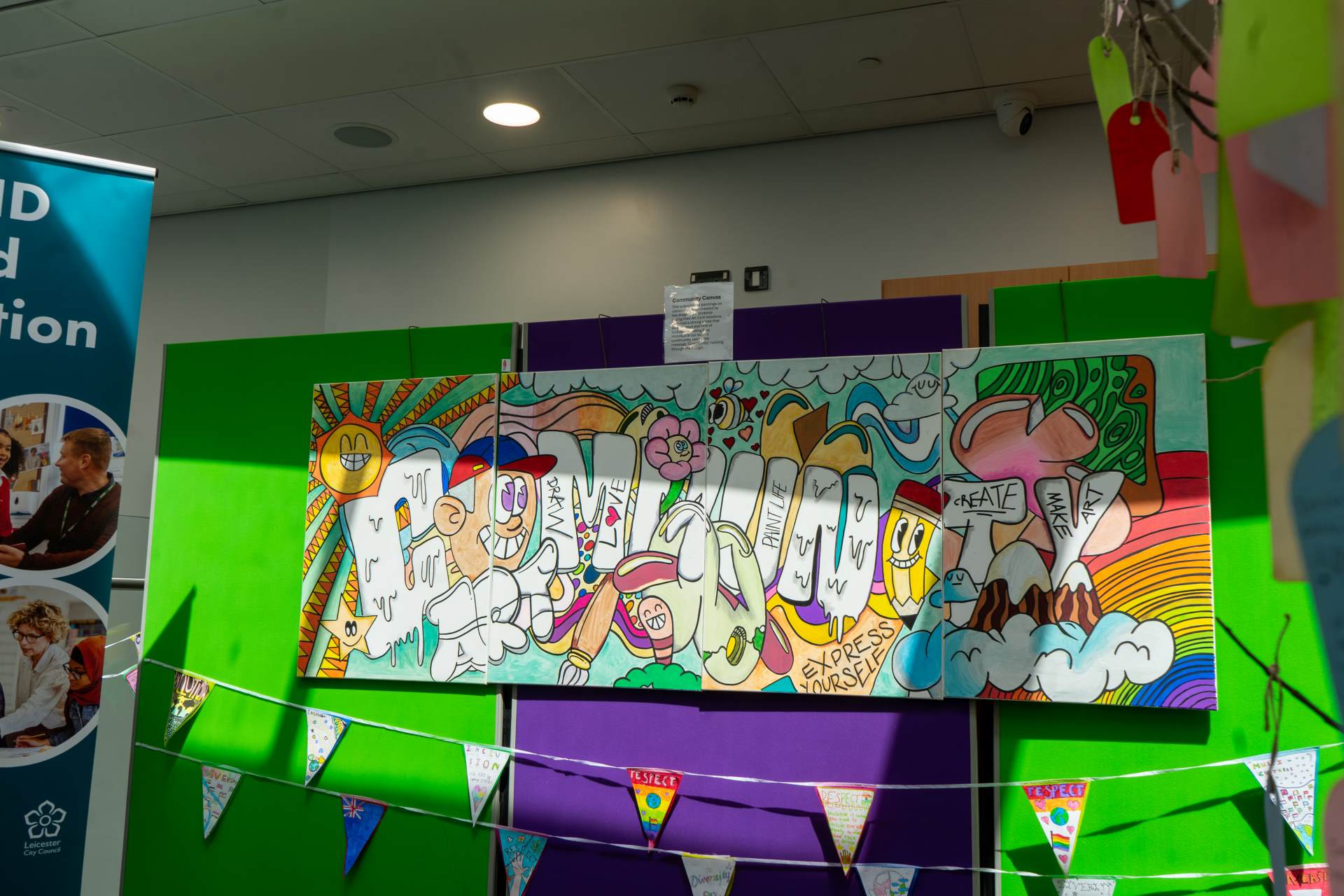
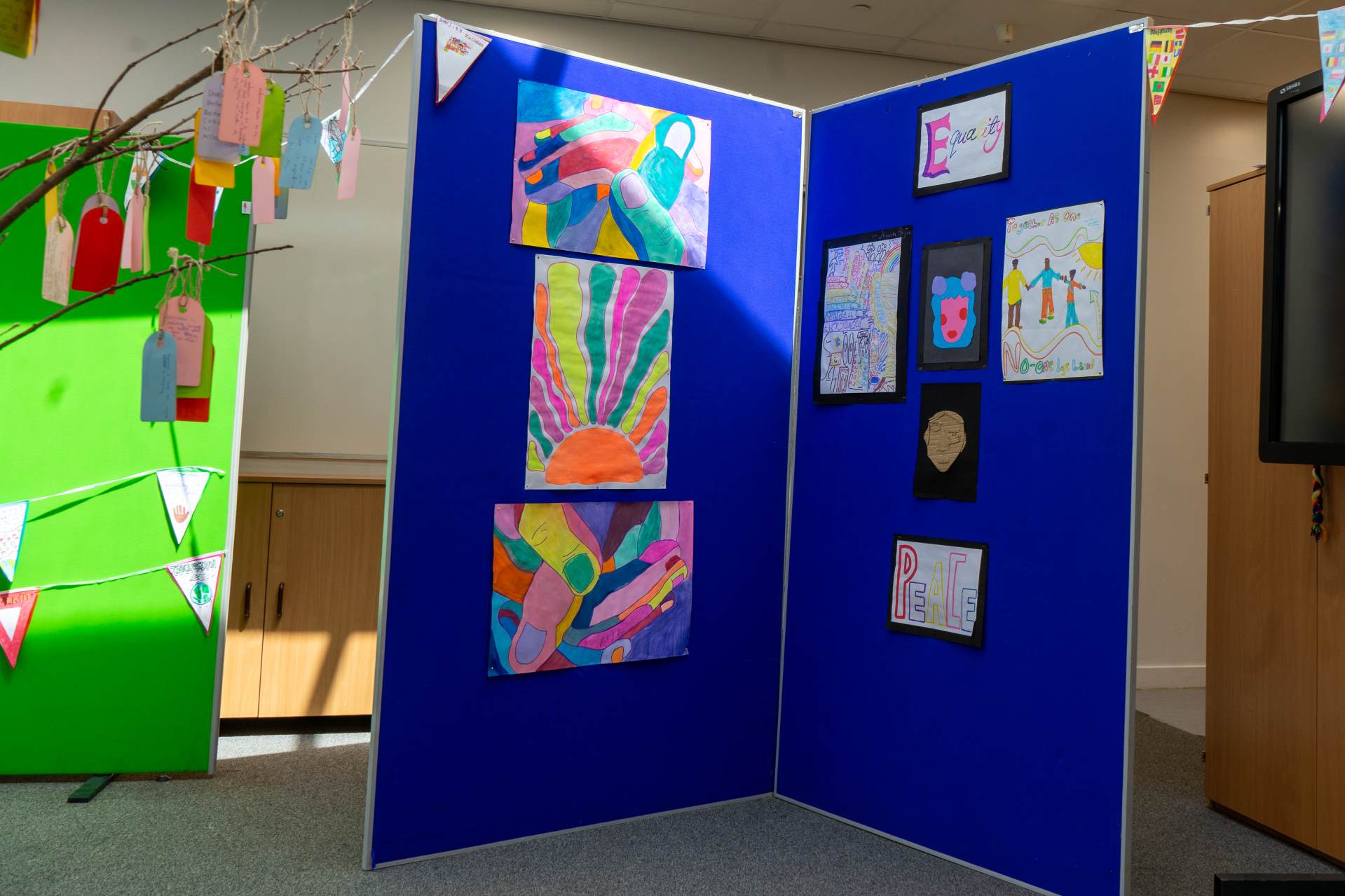
Lunch in the school dining room, the Inclusion art exhibition and stalls including Kibworth Books.

1.00pm
Workshop 1

Selected when booking.

1.45pm
Workshop 2

Selected when booking.

2.30pm
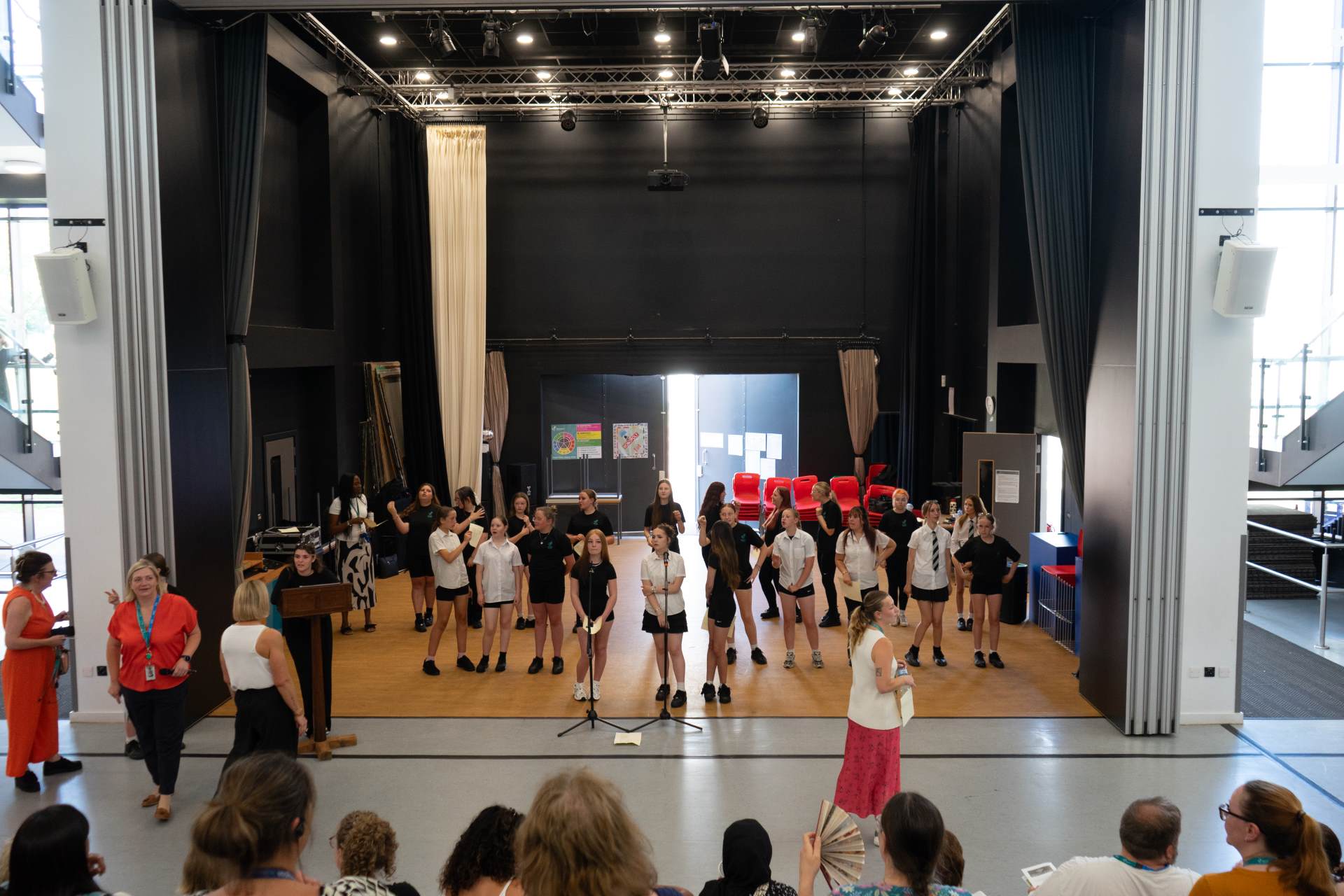
Final reflections and close

Main auditorium.

Afternoon Sessions

These should be booked when you complete your registration
Click on a tab below to find out more about each session

Person Centred Planning - 90 Minute session


 A 90 minute workshop* delivered by Frankie Williams 

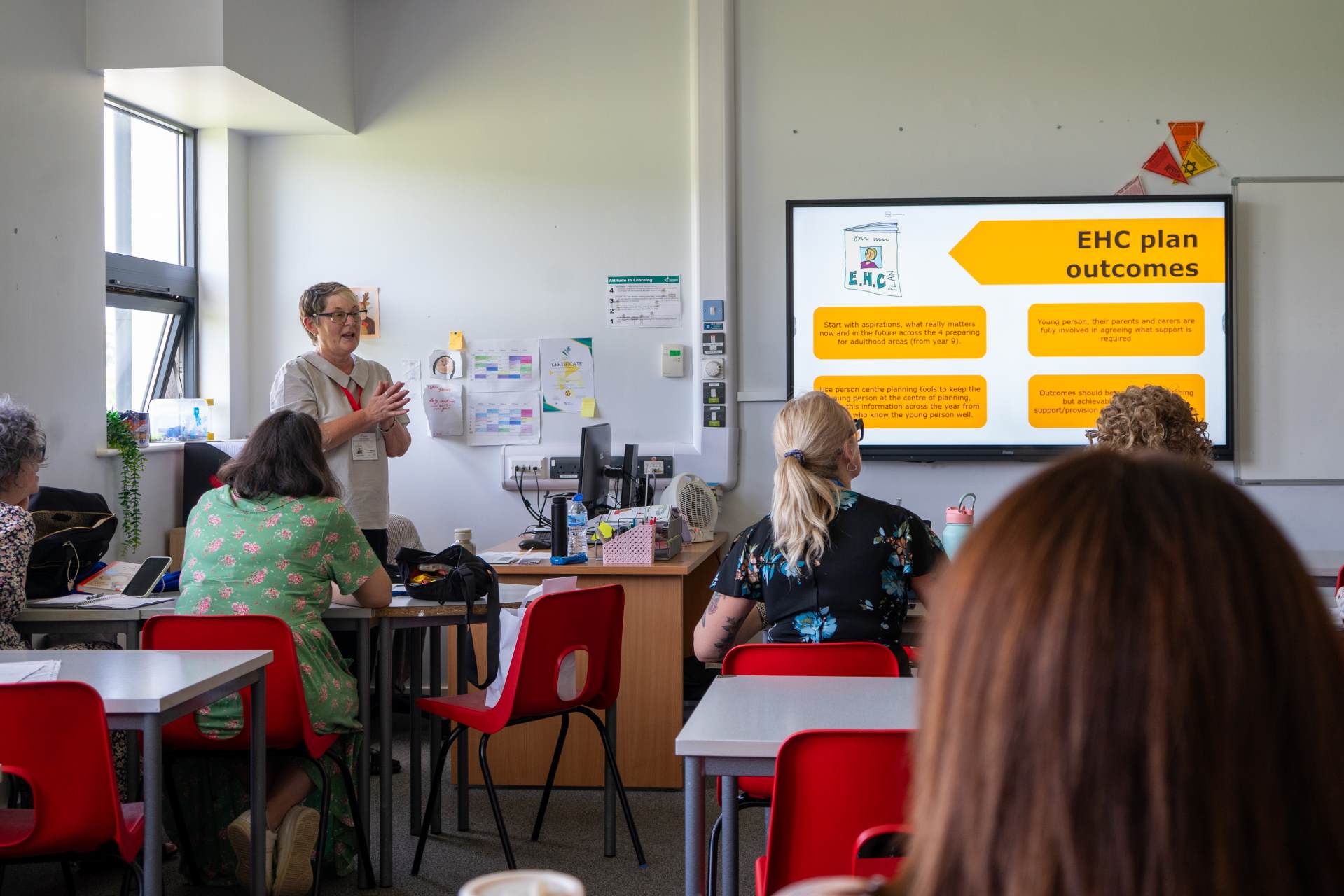
Frankie is an Associate with the National Development Team for Inclusion (NDTi) where she supports organisations to develop person-centred approaches linked to preparation for adulthood. Franki has worked in the field of special educational needs and disability for many years as a teacher and manager in general further education and specialist provision. She has used person centred approaches in her work for many years and is passionate about their ability to improve and change lives. 

Who is it for? SENDCOs in secondary and post-16 settings. Anyone who contributes to EHCP outcomes from year 9 upwards 

What will be covered? 

The ‘tools’ we can use for person centred planning   How we can use these tools to write meaningful outcomes with young people What a good outcome can look like Opportunities to share the experience of writing meaningful outcomes 

(*Please note this workshop will be a double session and will count for Workshop 1&2) 

 
You will be asked to book two of the following sessions
(If you have not booked the Person Centred Planning 90 minute session) 
 

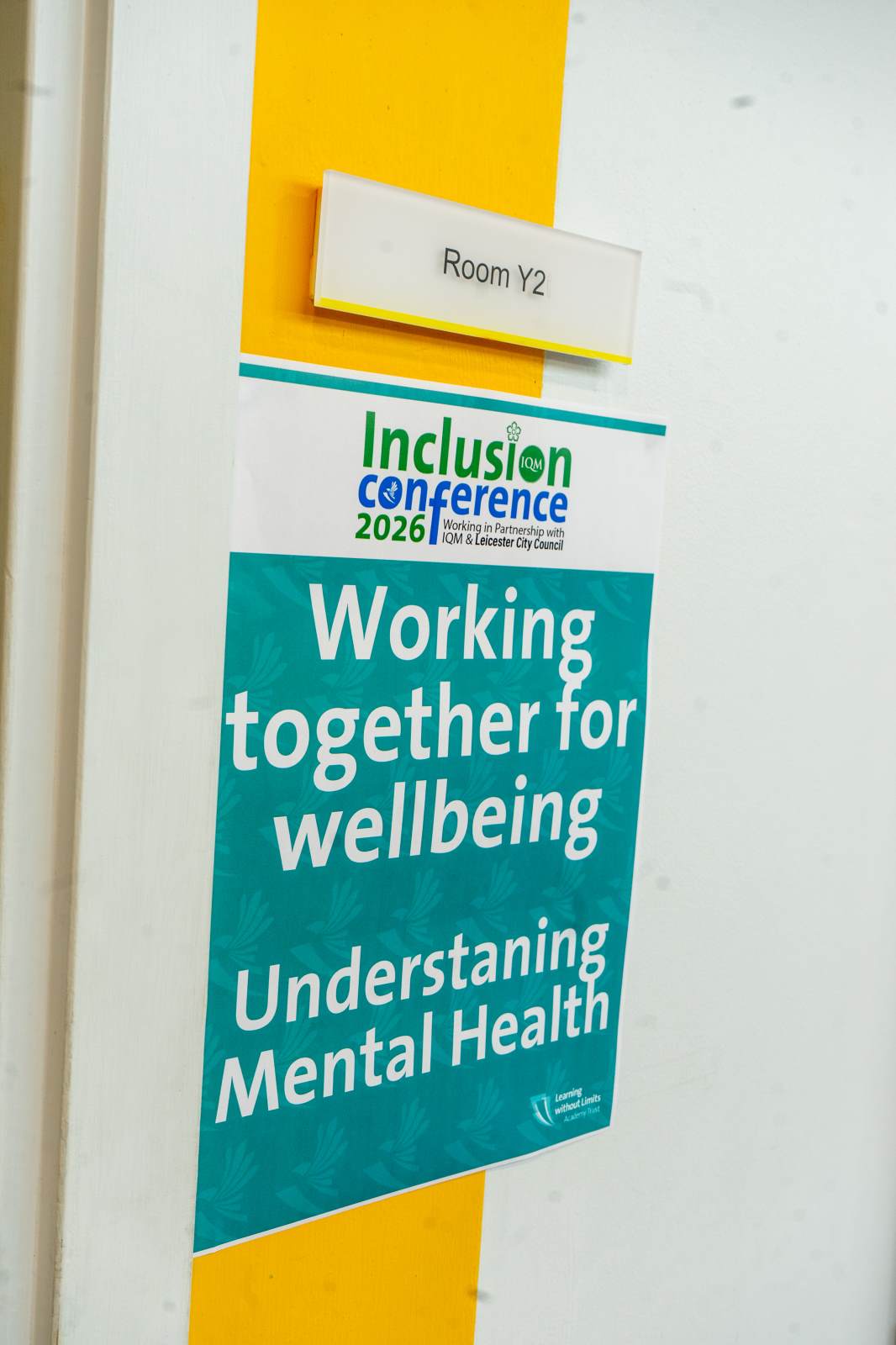
  Working together for Wellbeing: 
   Understanding Mental Health Support Teams and the Whole School College Approach.

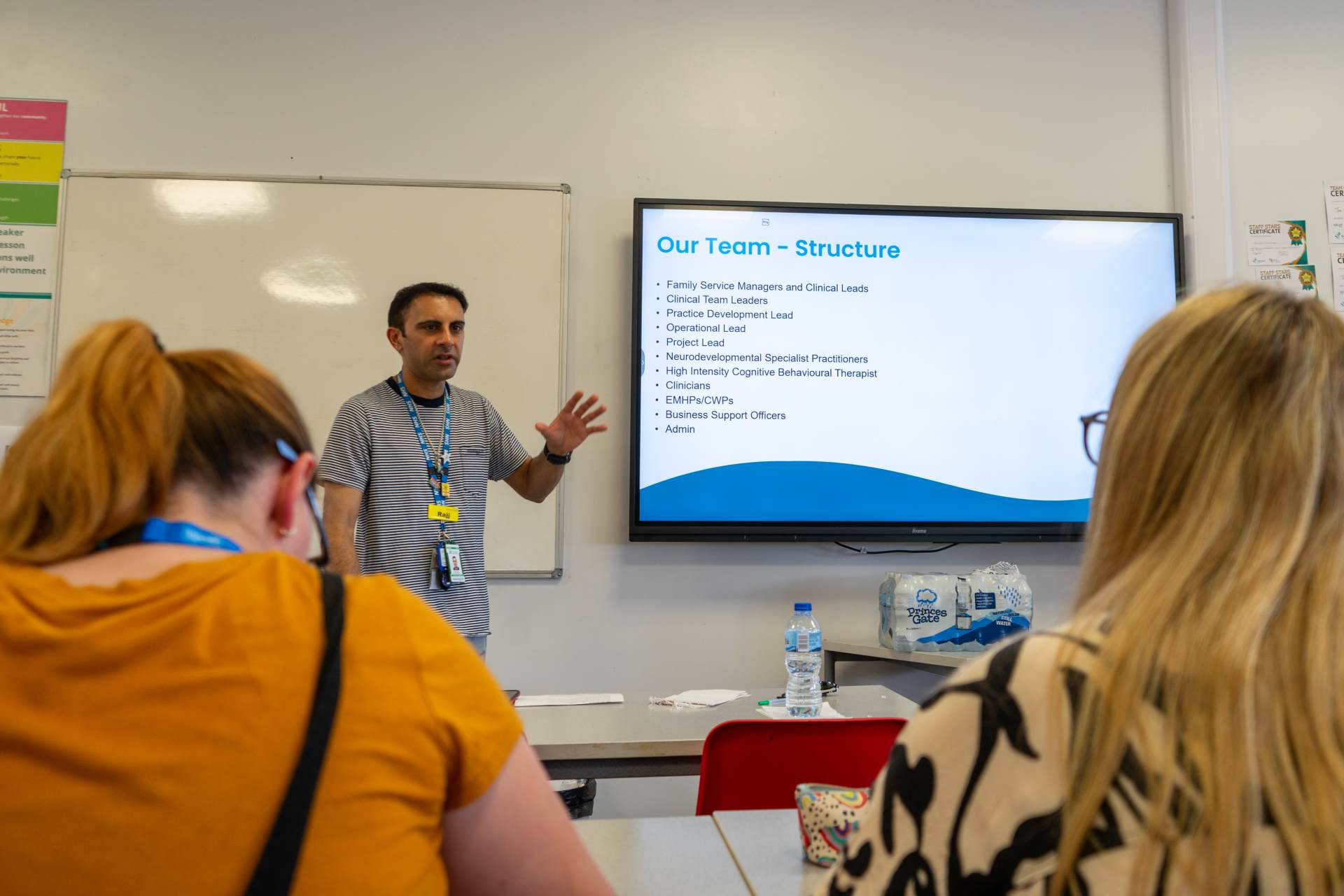
 Delivered by: Rajj Joshi, Clinical Team Leader & Lewis Richardson, Clinician 


An introduction to LLR MHST, core functions, WSCA to mental health and wellbeing 8 principles and the whole school college approach wellbeing mapping tool - The purpose of the tool is to provide a framework of quality standards so that schools can ensure practices are embedded and maintained in their ethos, pedagogy and culture. 

Who is it for?

Teachers, school leaders, SENCOs 

What will be covered? 
Introduction to LLR MHST, core functions, WSCA to mental health and wellbeing 8 key principles and the whole school college approach wellbeing mapping tool – 

Attendees will have an opportunity to reflect upon what the current provision looks like within their school, using one of the key principles.

     Strengthening fluidity between schools and Alternative Provisions

 Delivered by Jo Lockley and Michelle Deeming

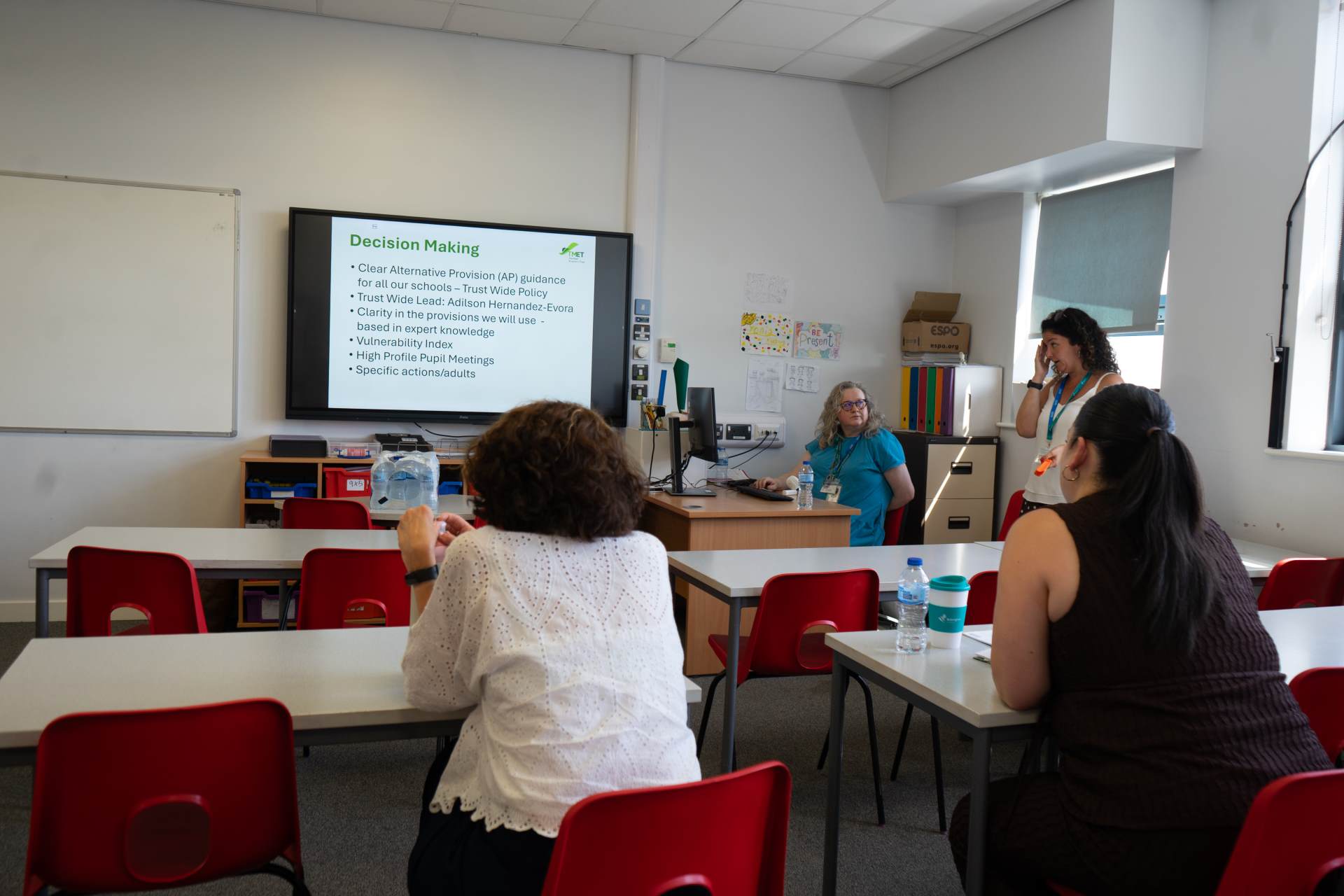
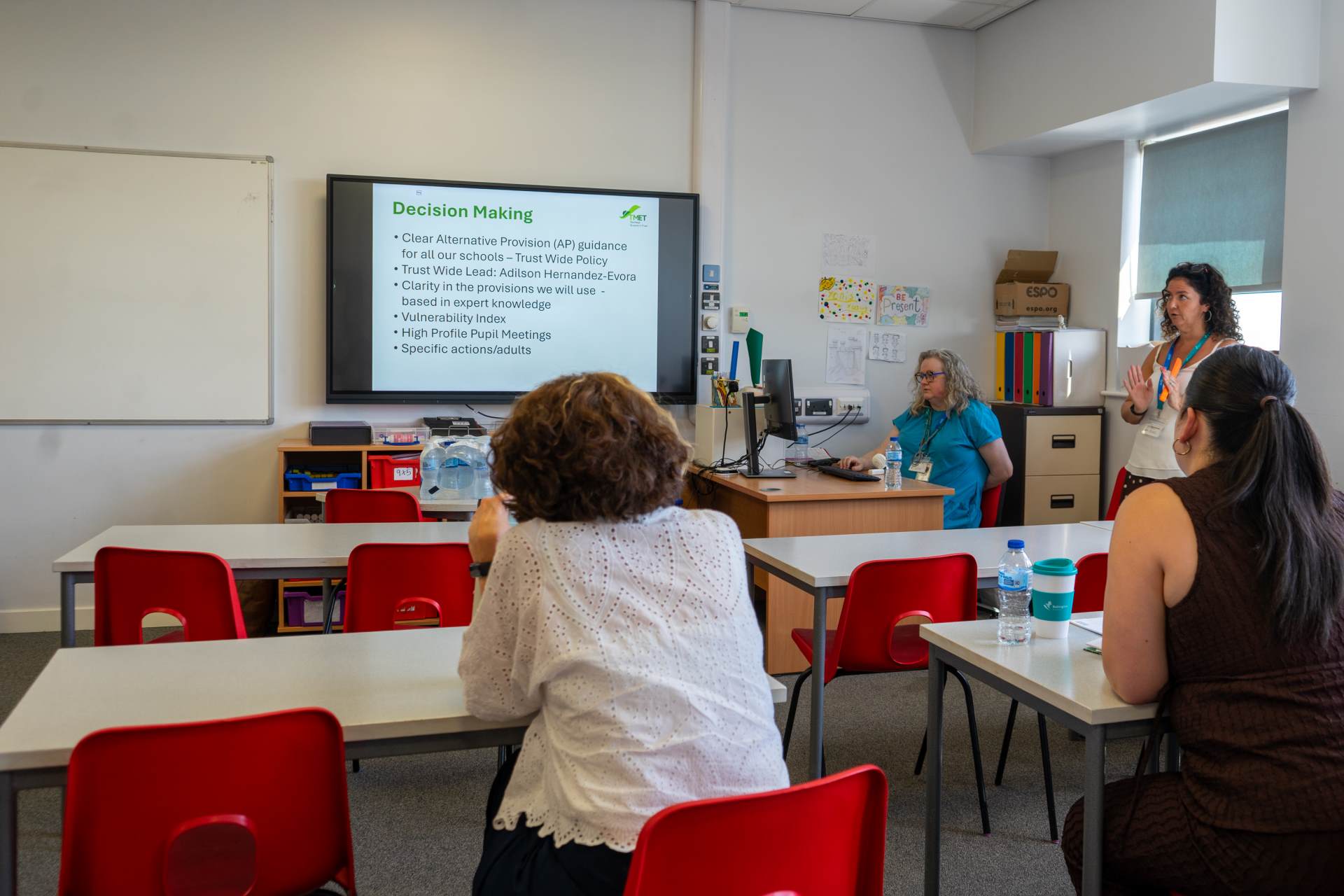
This session will explore schools views around the challenges and barriers to reintegration for Children and young People who are accessing Alternative Provision.  We will be exploring the systems and support needed to ensure successful reintegration.    

Who is it for? 

SENCOs Pastoral Leads anyone who supports children in AP 

What will be covered? 

Discussion based activities to capture the views of schools in relation to reintegration and reviewing reediness for reintegration documentation 

Tracking and Evaluating the Impact of Funding
(PP/ SEND/ Inclusive mainstream funding)

Delivered by Ben Connell, Assistant Principal - Babington Academy


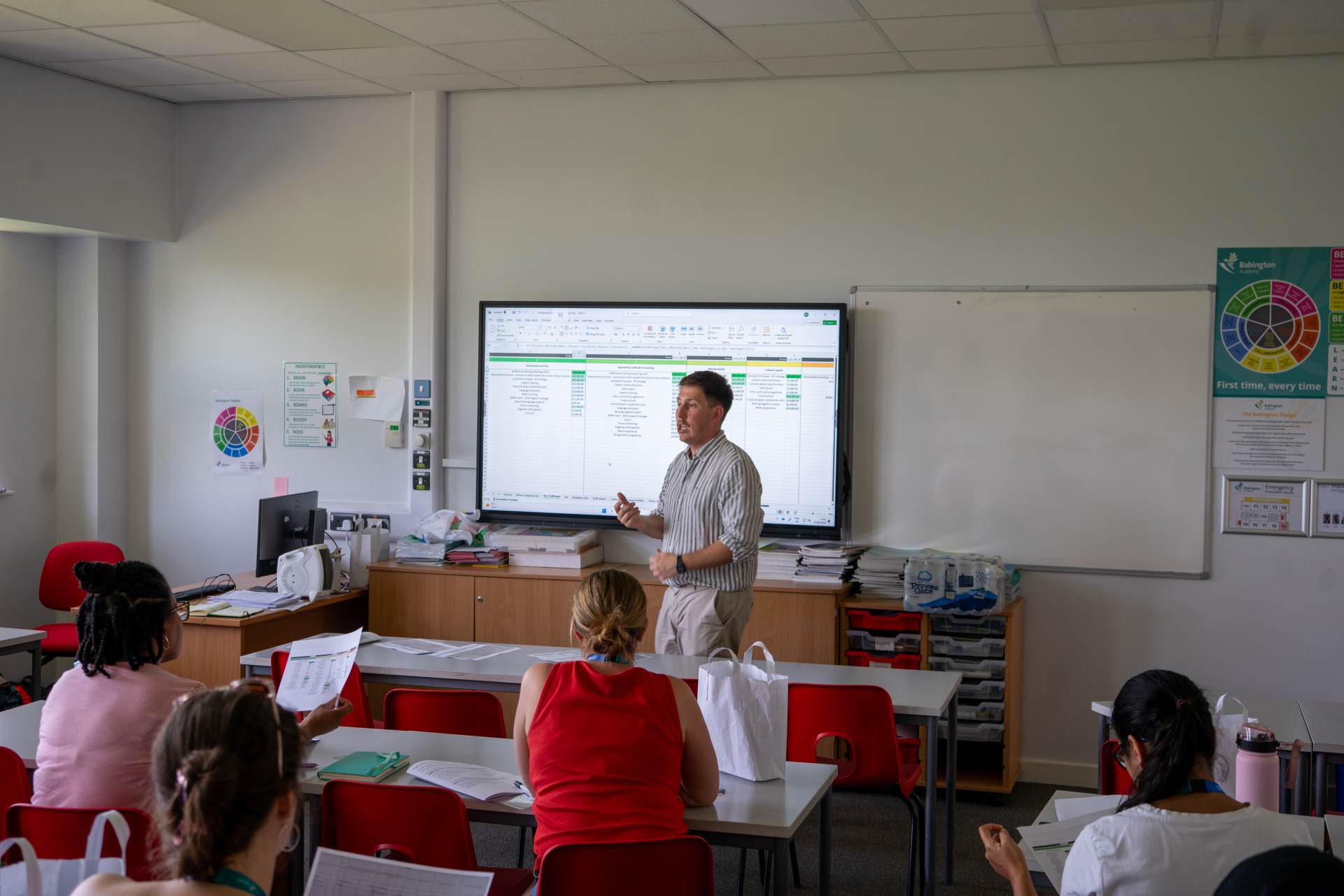
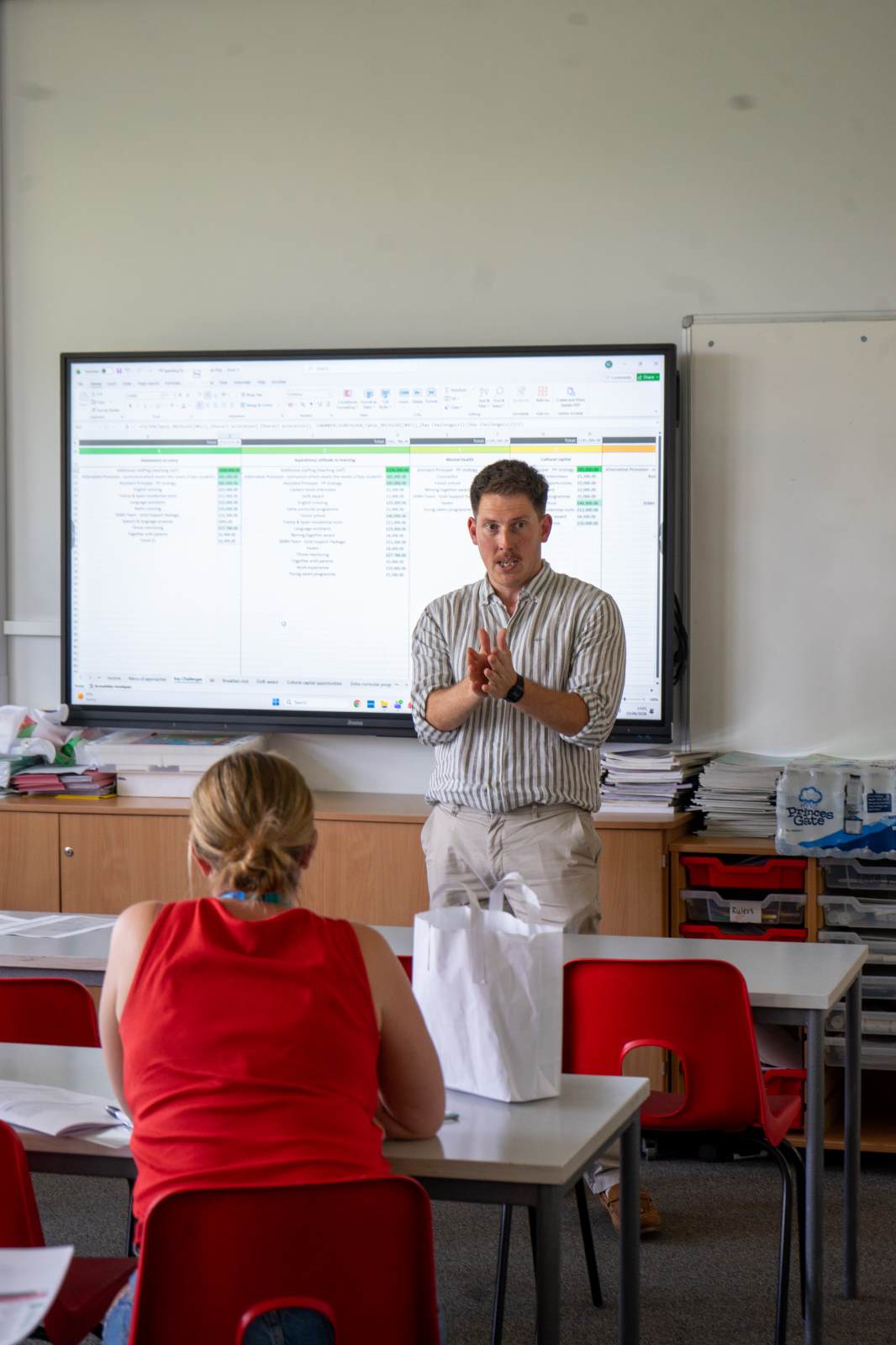
This session focuses on how schools can effectively track, evaluate and demonstrate the impact of additional funding (inc. PP and SEND). In light of the recent White Paper, and the growing expectations around additional inclusion funding, the workshop will explore how robust evaluation is essential to ensure accountability, drive improvement, and secure better outcomes for disadvantaged learners.

Who is it for?
Senior leaders with oversight of/responsibility for PP and/or SEND funding
SENDCOs and inclusion leaders in secondary settings
Middle leaders involved in intervention and provision planning
School staff responsible for tracking pupil outcomes and impact

What will be covered?
Evaluating impact: moving beyond compliance to meaningful analysis.
Approaches to tracking PP and SEND funding effectively.
Aligning spend with identified barriers to learning & the menu of approaches.
Meeting expectations outlined in recent national policy and inclusion funding guidance.
Practical examples of strategies that have improved A8, EM4+, EM5+ and attendance.
Sharing of tools and frameworks to support strategic decision making and accountability.

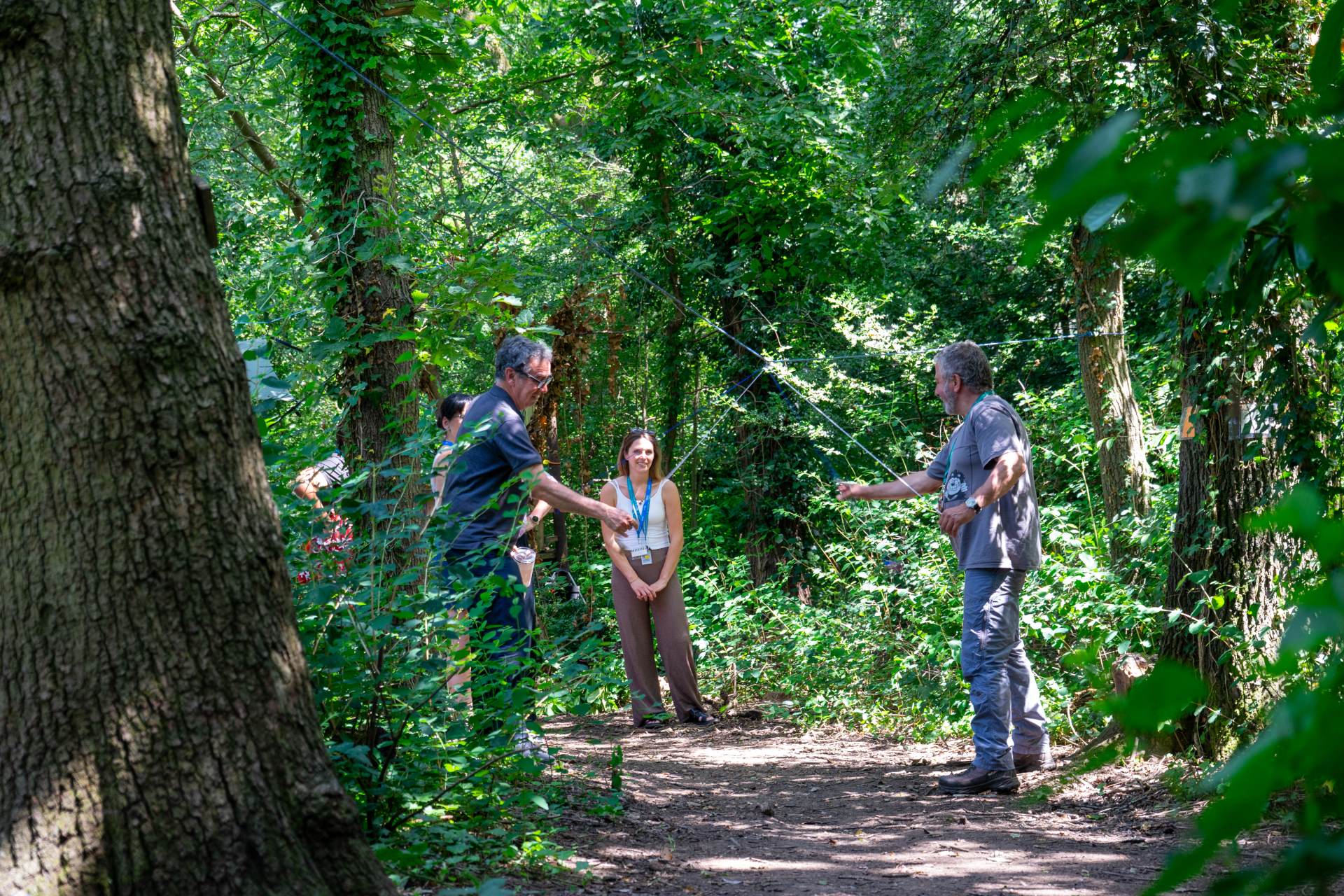
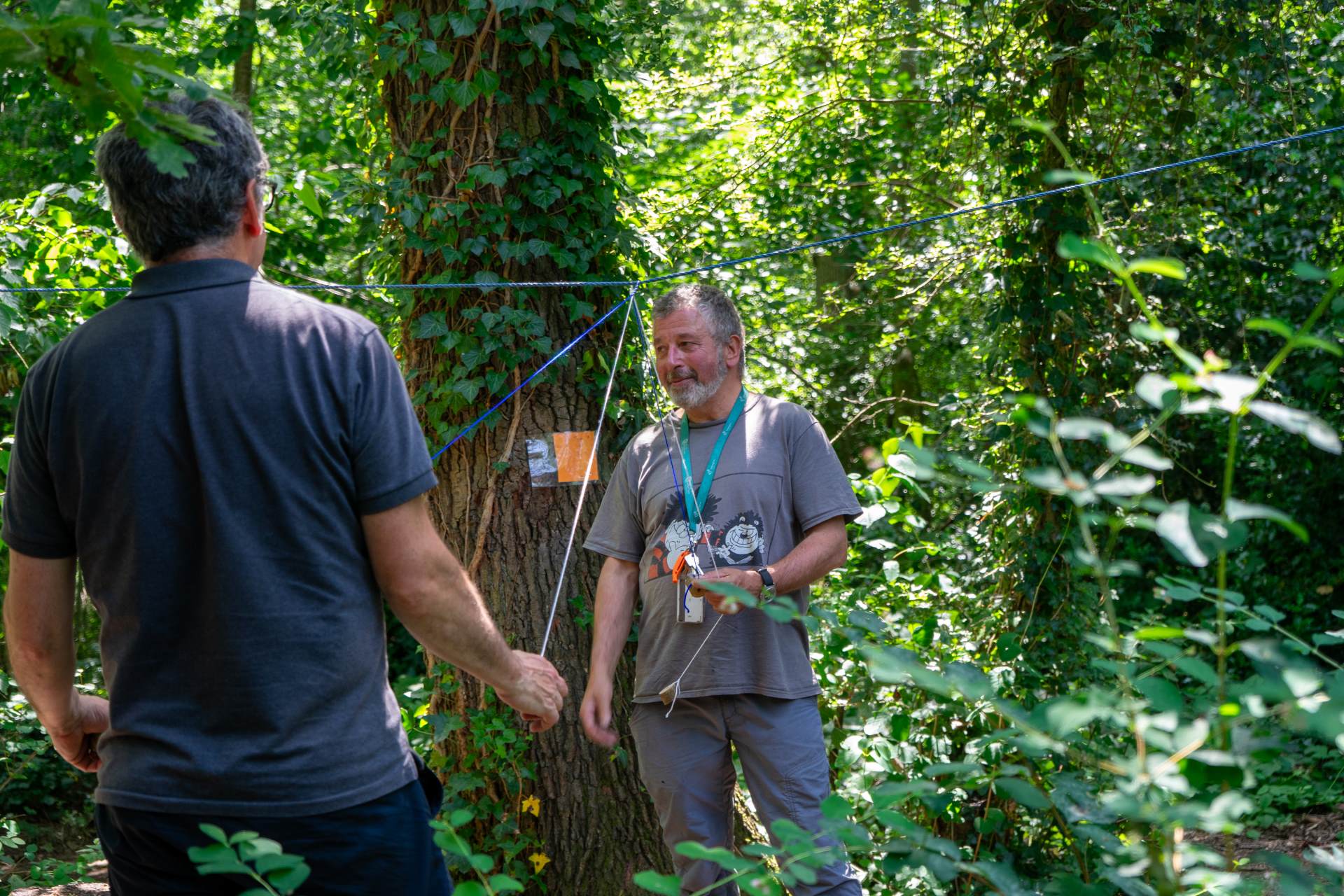
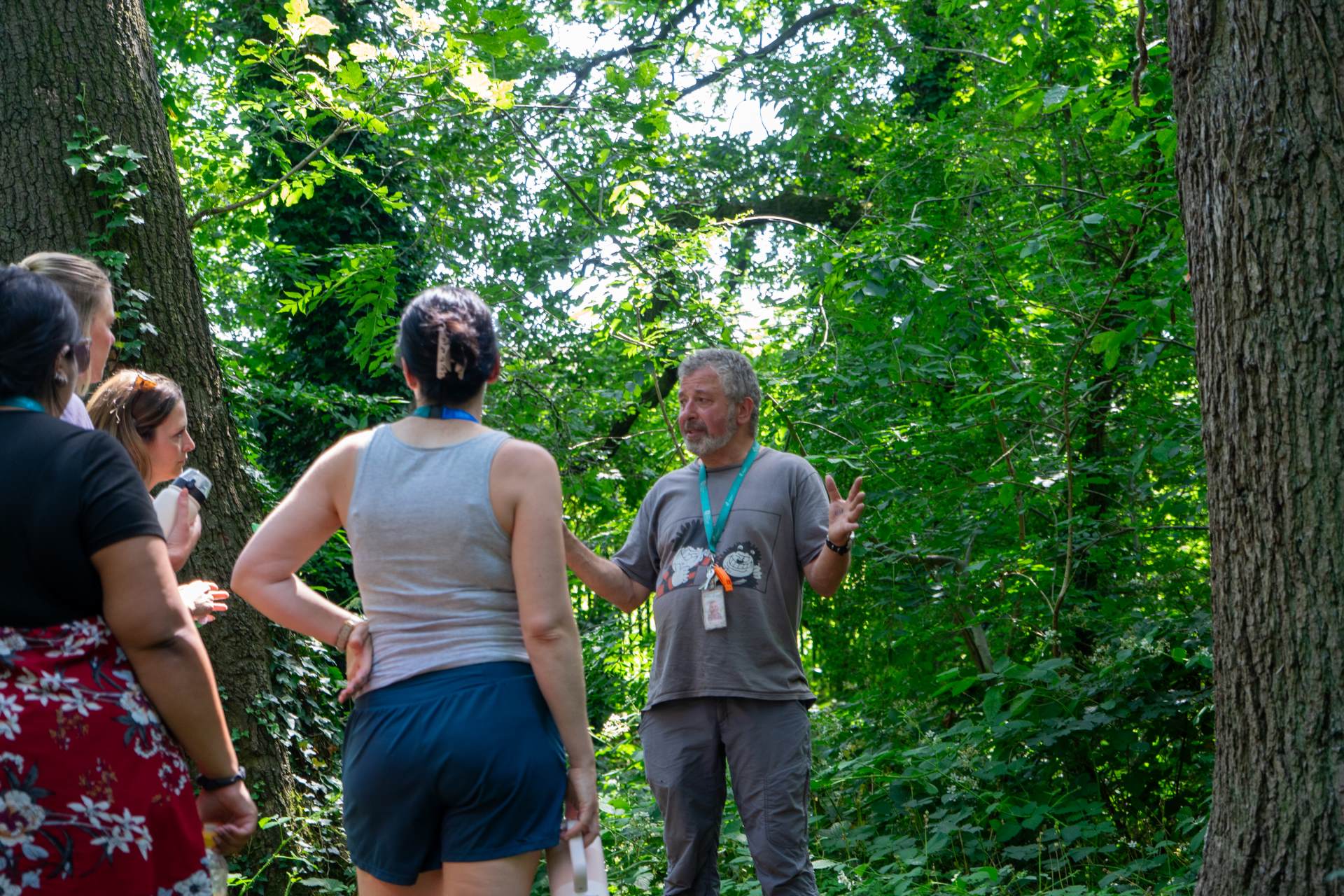
Forest School and Outdoor Learning

Delivered by Gary Fortuin and Melanie Hodgson

Forest School is a child-centred inspirational learning process, that offers opportunities for holistic growth through regular sessions. It is a long-term program that supports play, exploration and supported risk taking.

Other outdoor learning opportunities can improve academic focus, foster environmental stewardship, and provide hands-on, multi-sensory experiences that improve memory and reduce stress.

Who is it for?
SENCOs and teachers of all age groups who have outdoor space
Schools with curiosity for innovative uses of outdoor space to support personal development

What will be covered?
How a large mainstream secondary uses outdoor learning to meet individual needs, special educational needs and to develop aspects of our core curriculum.

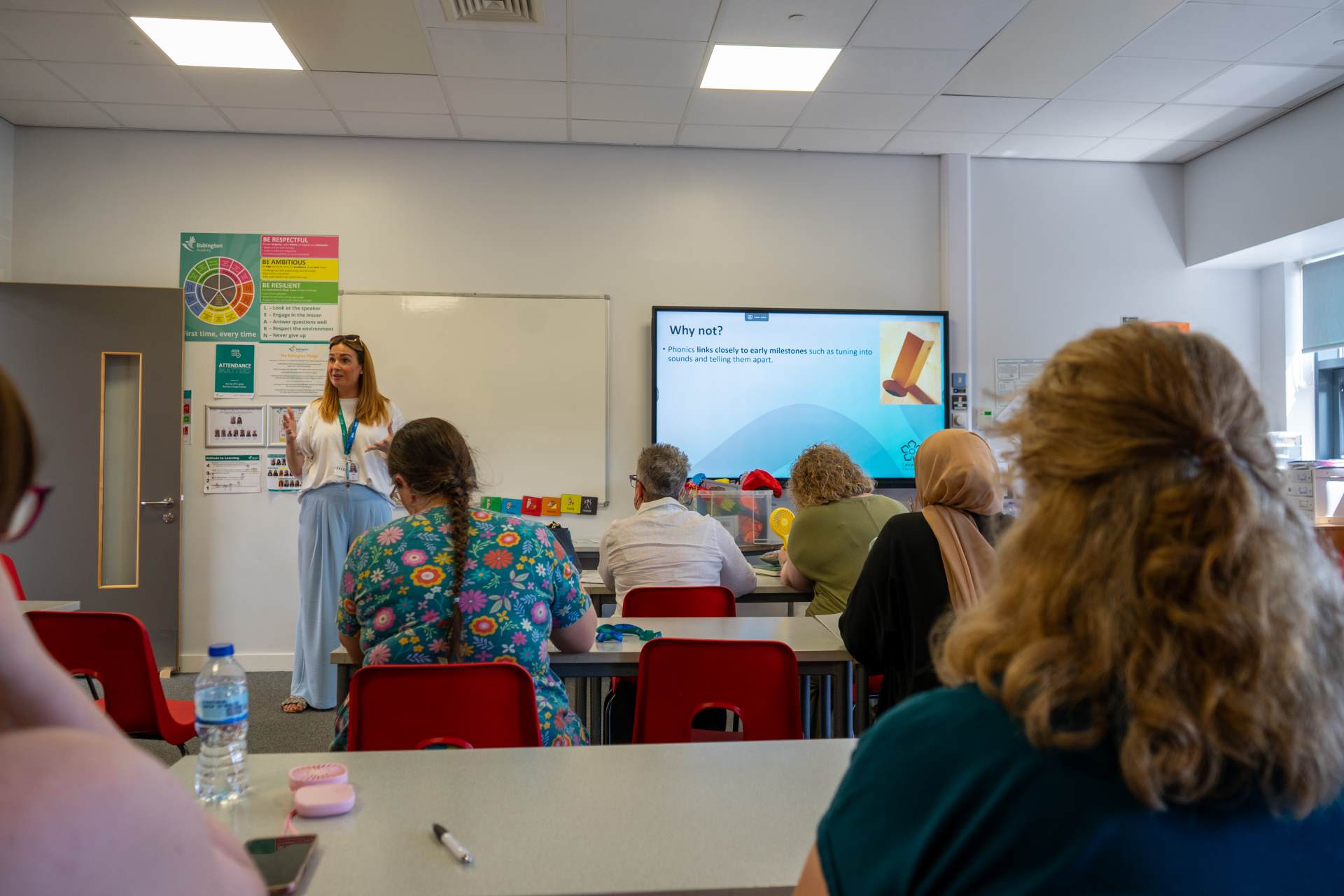
Early Years – Sensory phonics  

Delivered by Hollie Smith


Sensory Phonics is a multisensory approach to teaching phonics. It is designed to provide stimulating learning opportunities linked to early communication & language and literacy.

Who is it for?
The session is aimed at learners who are not yet accessing 'typical' phonics teaching. The session encompasses specialist teaching approaches, making it more accessible and meaningful for learners, including those with complex SEND needs. The session was originally developed to meet the varying needs of learners with SEND in one class, where outcomes could be differentiated to meet individual need.

What will be covered?
What is Sensory Phonics?
Why make phonics inclusive for all.
Differentiated outcomes.
Planning and resources.
Demonstration.

How can the new AT (Assistive Technology) and PD (Physical Disabilities and Complex Needs) Specialist Teachers support mainstream schools in Leicester City?

Delivered by Ben Singh and Claire Waterfield.


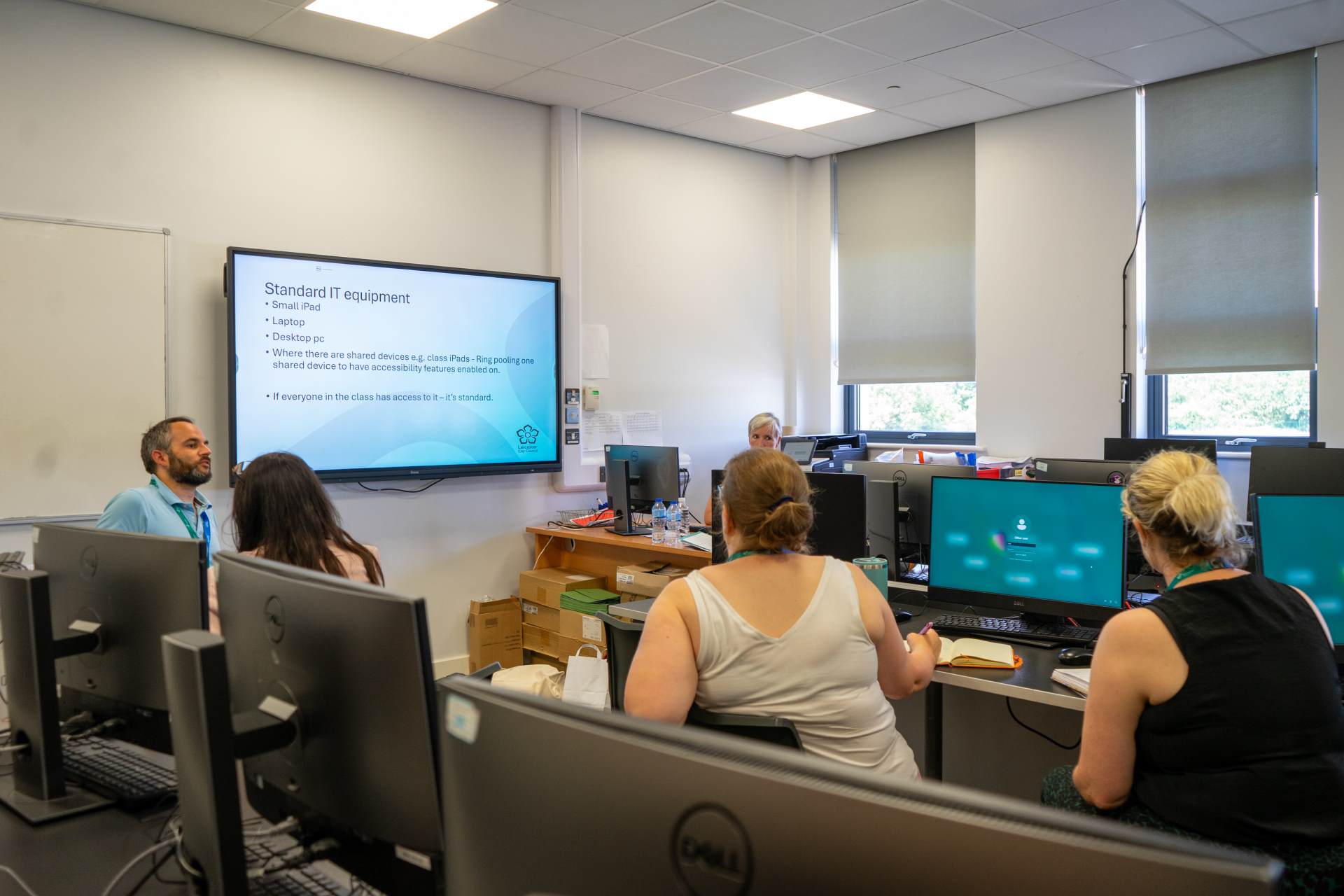
In Leicester City, SEND Support Services work with settings and schools to ensure that children and young people can fully access education utilising assistive technology (AT) where needed.

Who is it for?
SENDCos in mainstream settings, schools and colleges.
Anyone who works with children and young people in mainstream schools/settings/colleges who could benefit from assistive technology and/or equipment to enable them fair access to their education.

What will be covered?
Overview of what schools can ordinarily provide.
Examples of what extra funding could be used for
Next steps – how to get advice and support.

LLR Neurodevelopmental Toolkit

Delivered by Kelly Malyon and Shanthi Subbanna

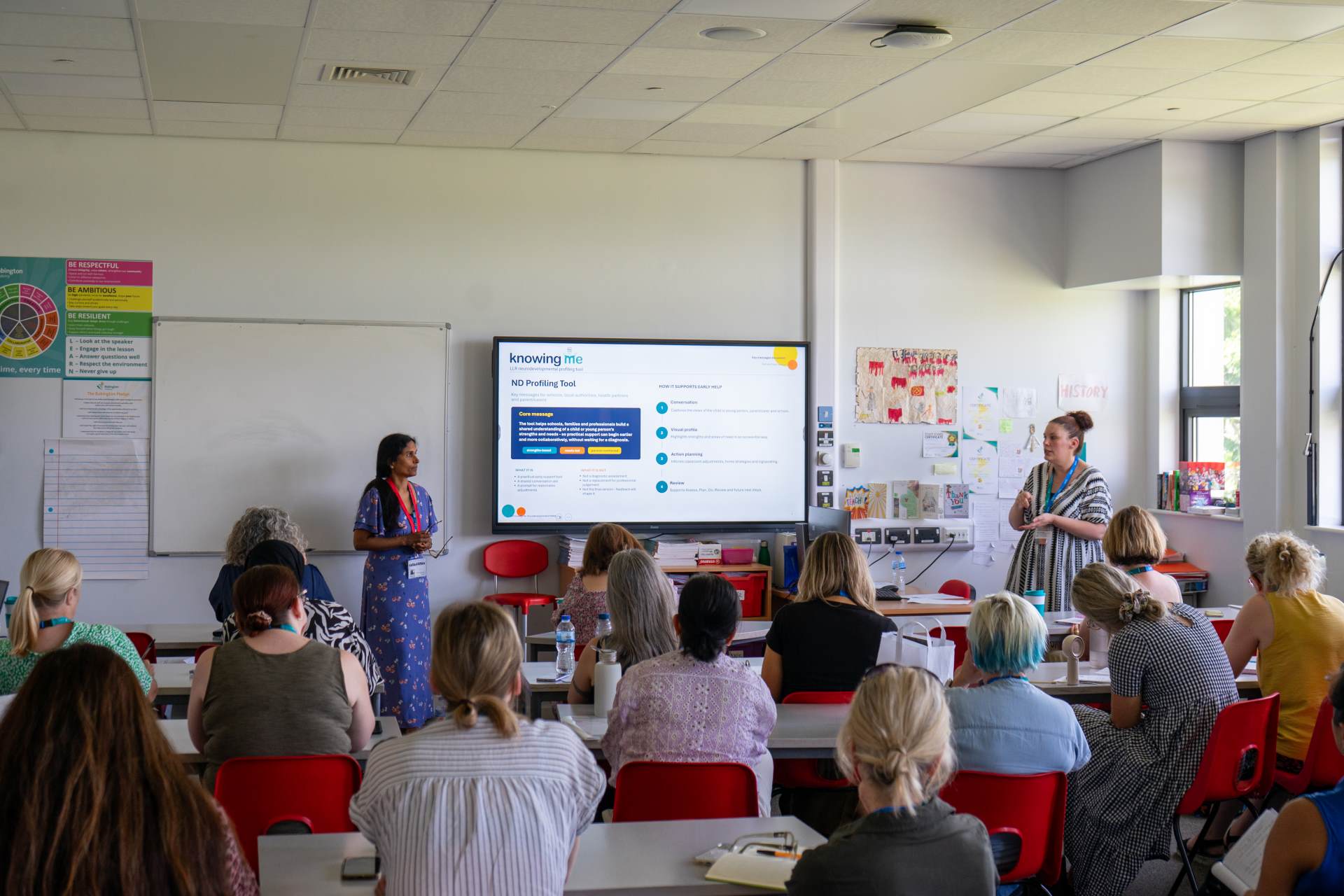
Kelly has worked within specialist provisions for the past 15 years, including the last four years as a Specialist Teacher within the SEMH team for the Leicester City SEND Service. She has recently taken on the role of Specialist Teacher for Neurodiversity alongside Shanthi, a Specialist Speech and Language Therapist and Neurodevelopmental Practitioner currently working within children and young people’s neurodevelopmental assessment pathway, with expertise in autism and ADHD. Shanthi works across Community Paediatrics and CAMHS within Leicester Partnership Trust. Together, they are leading the development of a web-based tool designed to help families and schools identify the most appropriate next steps for children and young people, based on their individual strengths and needs.

The tool aims to empower parents to feel informed, supported, and confident throughout their child or young person’s journey, whether they are seeking a medical diagnosis or accessing support within school, at home, or in the wider community.

Who is it for?
SENCOS in Early Years, Primary and Secondary settings

What will be covered?
What is the profiling tool?
Where are we now?
Test and Learn with schools
How this may work in schools.

IQM As a Tool for School Improvement 


Delivered by Kenny Frederick


The Inclusion Quality Mark (IQM) exists to help schools create learning environments where every pupil feels valued, supported and able to thrive.

By achieving the IQM Award, schools demonstrate their commitment to embedding inclusive practice at the heart of everything they do. From curriculum planning and behaviour management to staff development and community engagement.

Who is it for?

Any primary or secondary school leader or SENCO who want to know more about IQM.
Any school leader who is thinking of becoming an IQM school.

What will be covered?

An insight into the practical framework for addressing the challenges of diverse learning needs, growing accountability, and the pressure to provide consistent, high-quality provision. How IQM can offer a clear pathway to assess, improve, and celebrate inclusion in your setting.

How the process of being an IQM school goes beyond a badge. It drives sustainable improvement, builds staff confidence, and reassures stakeholders that your inclusive approach is robust, evidence-based, and future-ready.


Register here for the Inclusion Conference 2026 


colour strip